February 2026

Wildlife Photography Contest

“All Things White ” Photo Contest

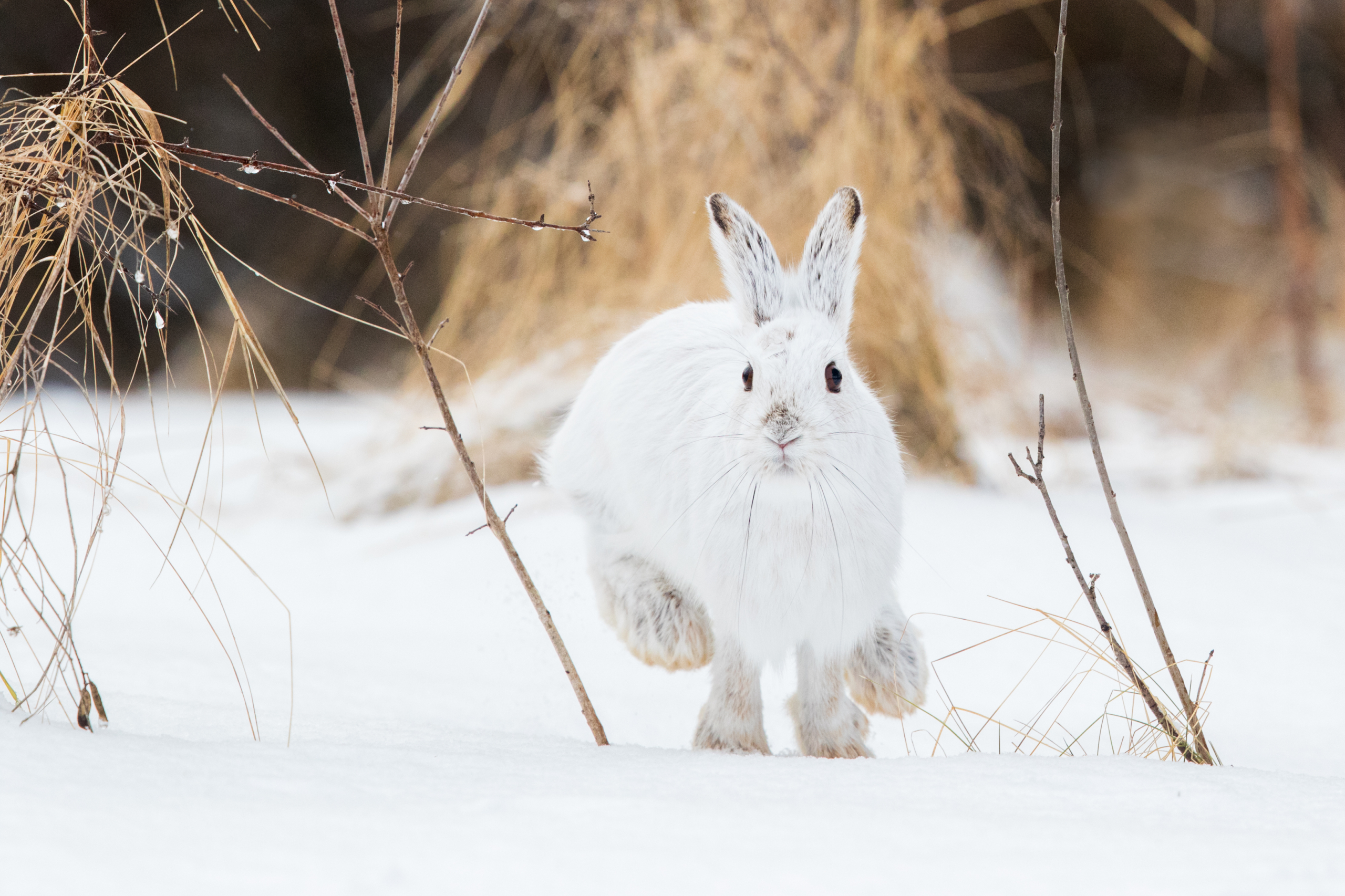
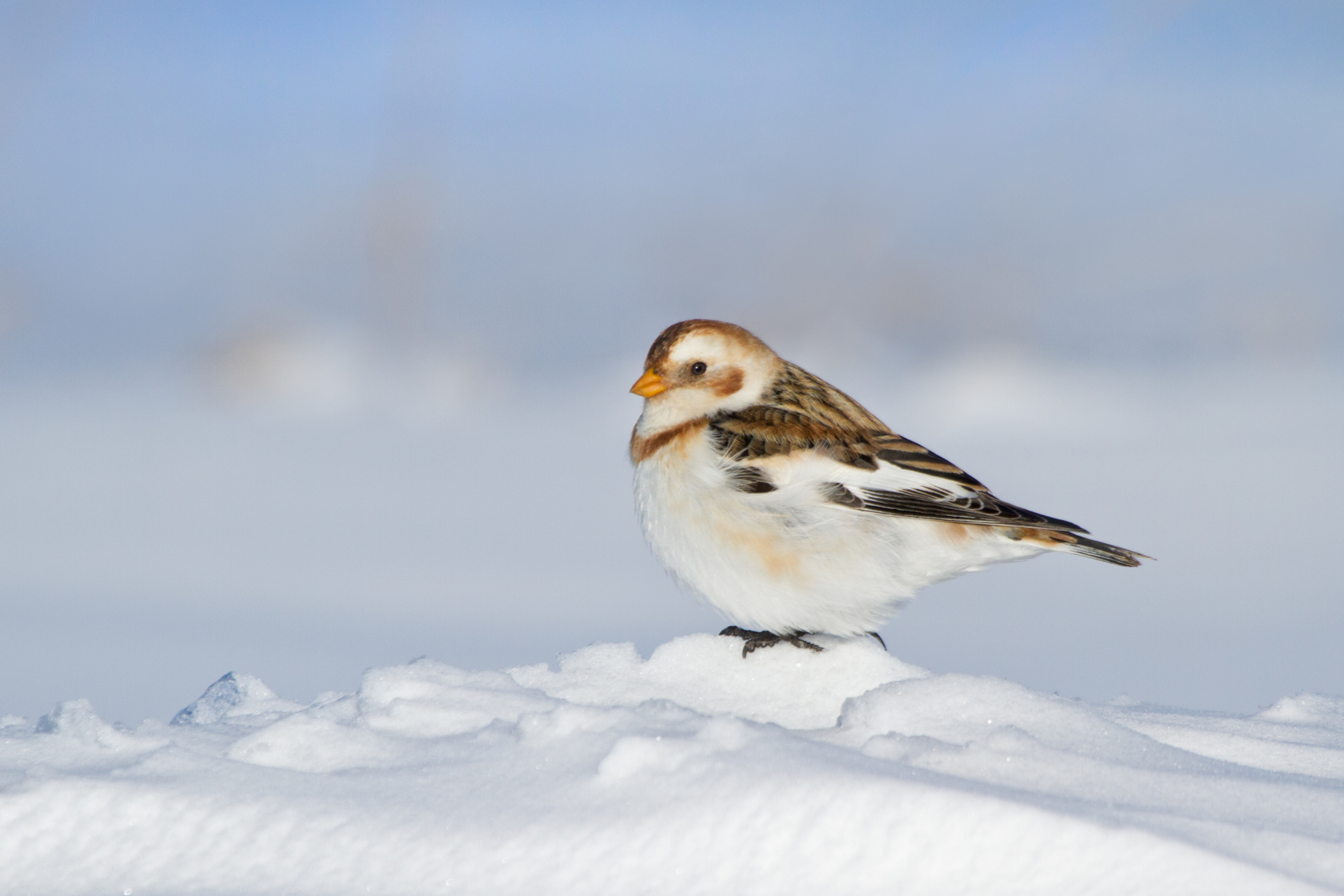
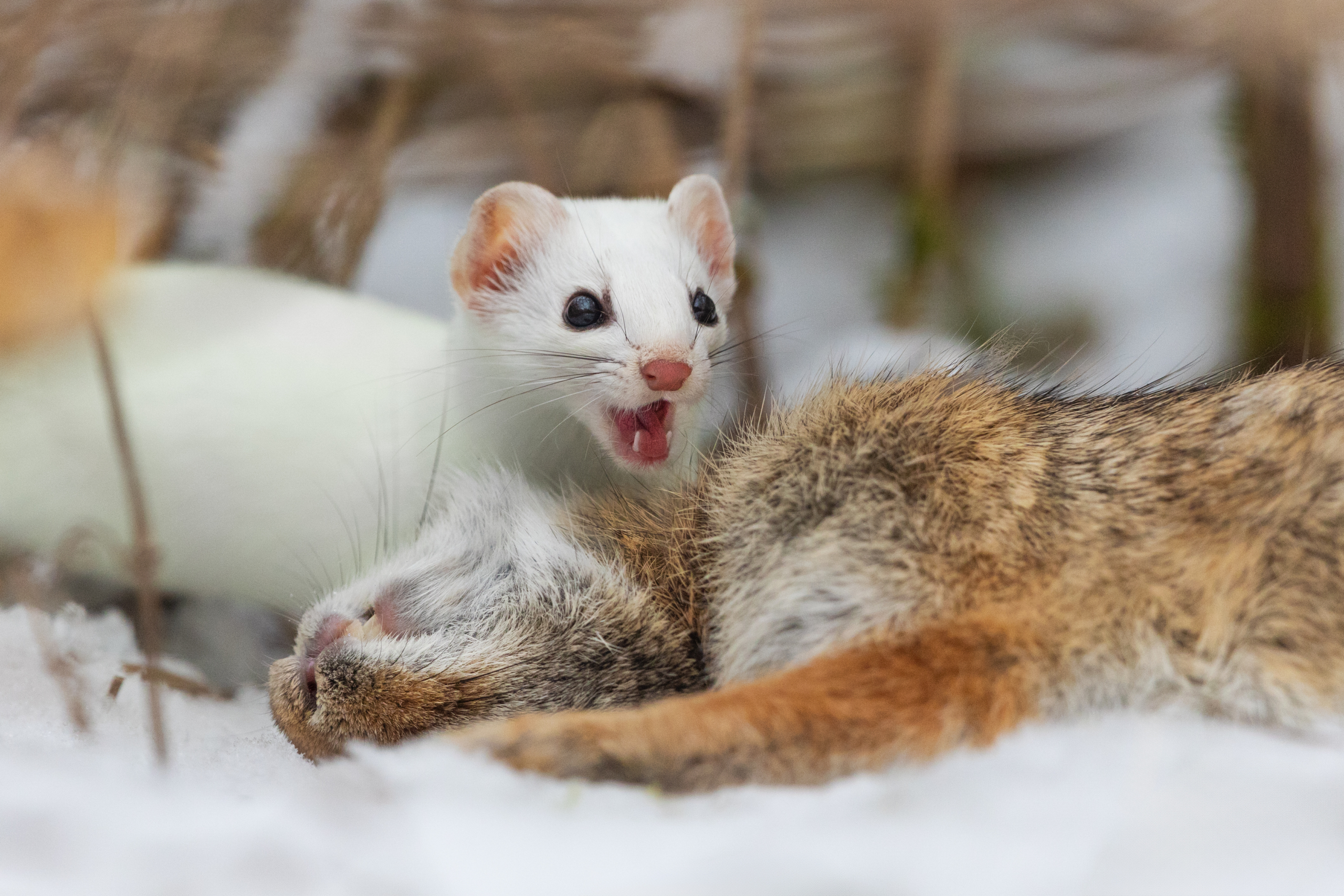
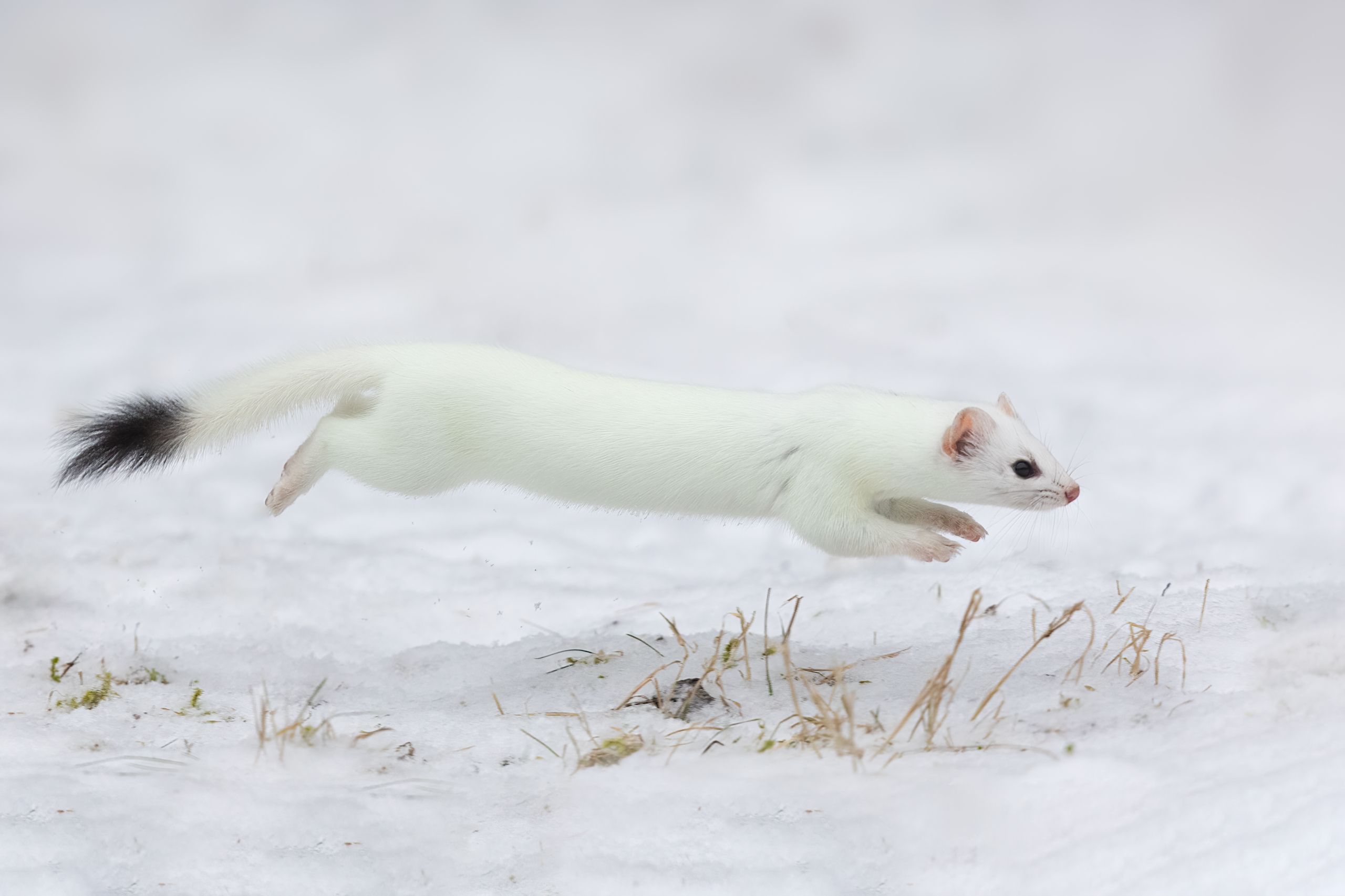
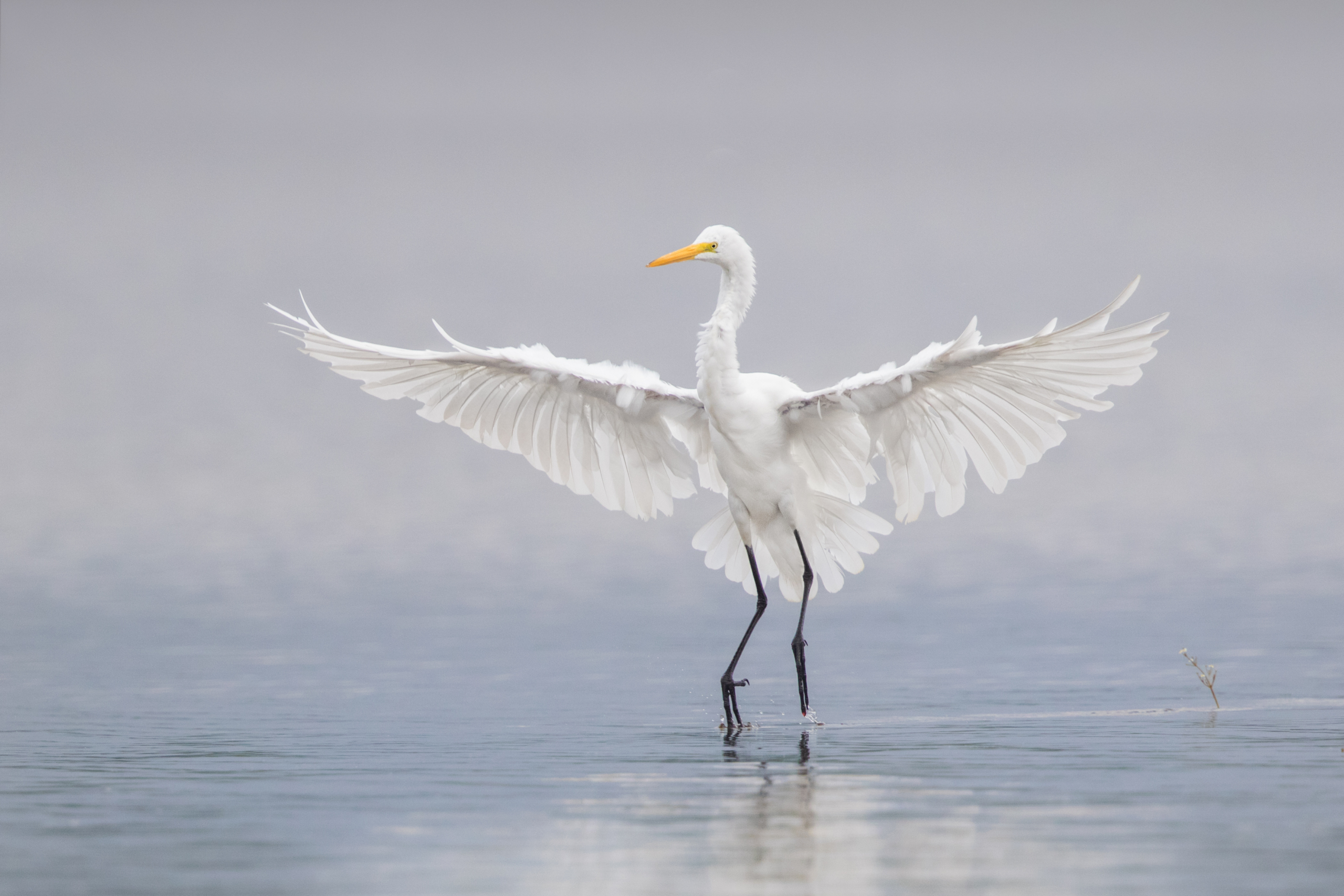
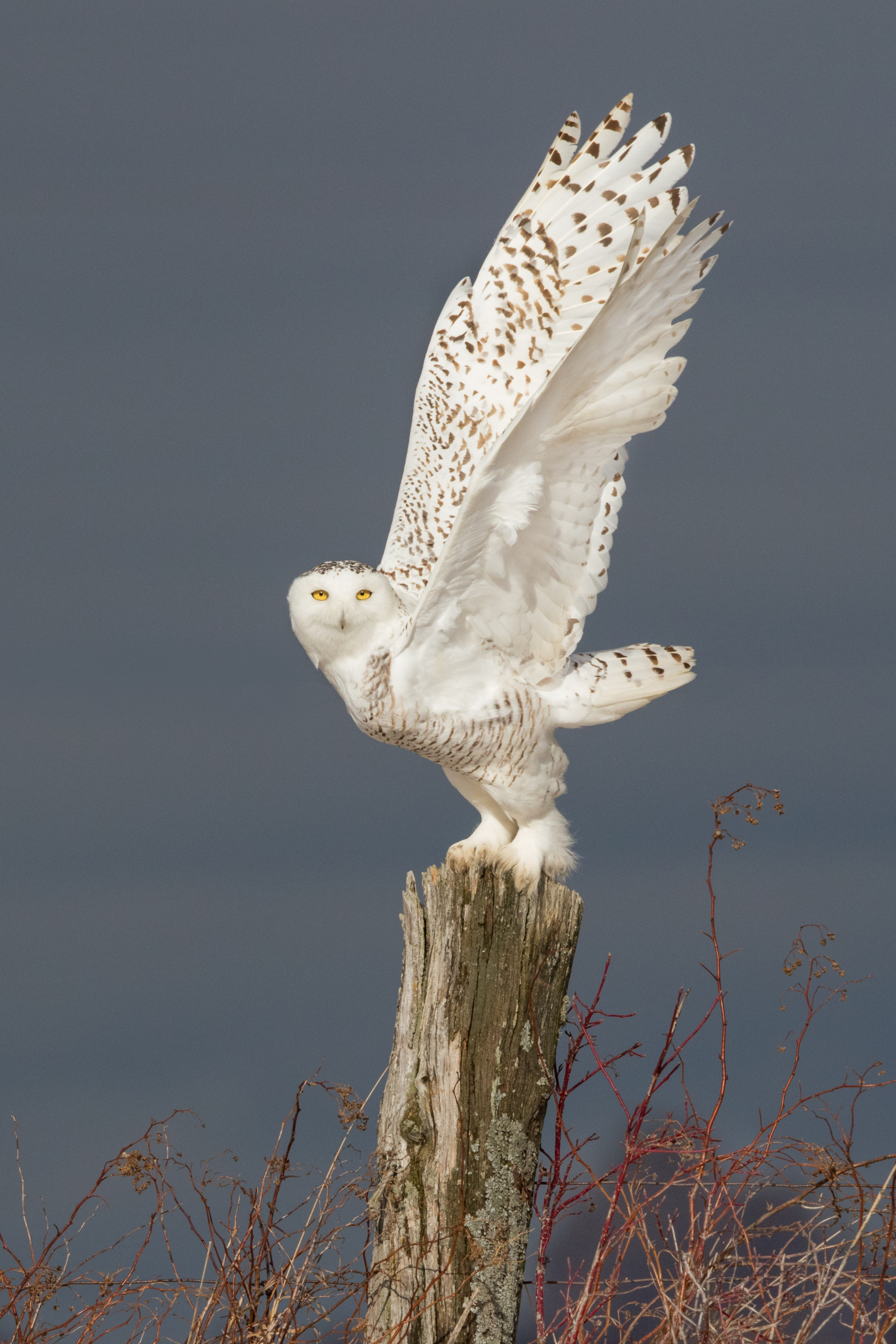
The theme for the February 2026 Wildlife Photography Contest is “All Things White”
White is never just white.

In the wild, it’s nuance—the soft shimmer of snow under golden light, the quiet camouflage of feathers against frost, the challenge of exposing brilliance without losing detail.

This month’s theme, “All Things White,” is a test of precision, patience, and perception. It’s about seeing beyond brightness—finding form, tone, and texture where others see only blankness.

Photographing white subjects or scenes isn’t just about mastering exposure; it’s about translating purity and contrast into emotion. Whether it’s the elegance of a snowy owl, the subtle warmth of a polar dawn, or the fragile glow of fur against ice—this challenge is where light meets restraint.

What We’re Looking For

  • Detail in delicacy — retaining texture and tone in white-dominant scenes
  • Masterful exposure — avoiding blown highlights while keeping natural brightness
  • Mood and subtlety — conveying emotion through minimal color palettes
  • Contrast and balance — using surrounding tones to elevate the white subject
  • Visual poetry — images that make simplicity feel powerful

Quick Tip

When everything looks bright—watch your histogram, not your instincts.
Expose for the highlights, and let the shadows tell their story.

Important Guidelines

  • Your image must feature wildlife in a natural setting
  • No staged or captive animals will be accepted
  • Ethical field practices are required
  • Keep post-processing minimal and natural

Contest Details

Opens: February 1, 2026
Closes: February 28, 2026 at midnight (Pacific Time)
Eligibility: Open worldwide to all wildlife photographers.

Our Monthly Photo Contests are exclusive to members of the Journal of Wildlife Photography.
To enter this contest please select a membership below. If you’d like to learn more about our contests click here.
We look forward to seeing you there and being a part of your wildlife photography journey.

LIFETIME

$397 USD
One-time
BEST VALUE

ANNUAL PLUS+

$197 USD
Per Year

LABOR DAY SALE! SAVE $100

LIFETIME

$397USD

$397.00

One-time
BEST VALUE

LABOR DAY SALE! SAVE $50

ANNUAL PLUS+

$197USD
$197.00
Per Year

MONTHLY

$19.99USD
Per Month

Cancel Anytime

This Contest is for Members-Only.
Please sign-in or join now to register.
Log in below:
Wildlife Photography Contest Official Rules

Updated 01/01/2026

Please read and follow the rules carefully. Failure to comply with all rules will disqualify your entry.

Official Rules:

  • You must be a member of JOWP to enter.
  • Lifetime members receive 10 free contest entries per month. Annual members receive 5 free contest entries per month.
  • Members can purchase more entries here: Addition entry credits.
  • You must be the photographer who took the photo and hold all rights to the image.
  • No illustrations, paintings, or AI generated photos allowed.
  • ALL semifinalists and finalists will be required to submit the original untouched RAW file (e.g., ARW, CR2, CR3, DNG, NEF, ORF, PEF) or the original untouched JPEG file (if shot in JPEG) within 5 days of the request from the judges.
  • Your photo doesn’t have to be new; however, we encourage you to get out and create new, fresh photographs.
  • Animals must be wild and free, unrestrained, and not domesticated or living in captivity.
  • Digital adjustments are permitting provided they do not deceive the viewer or misrepresent the reality of nature or the image originally captured by the camera. The integrity of the original scene and subject should be maintained.
  • Subject to the more detailed rules below, the following digital adjustments are permitted: tone, color, white balance, and contrast adjustments; dodging and burning; cropping; leveling; sharpening; noise reduction; minor cleaning to remove dust spots or scratches on your camera’s sensor; HDR; stitched panoramas; and photo stacking (photographs stacked and combined for the purpose of focus stacking, noise reduction, or lengthening exposure, but only if the photos are taken at the same location at approximately the same time as a continuous sequence). As set forth below, masking may be used to make some or all of these permitted digital adjustments.
  • Content alteration of digital files is not acceptable. This means no cloning (except cloning to eliminate dust spots or scratches on your camera’s censor). You may NOT add, move, or remove objects, trees, plants, animals, people, or parts thereof, including dirt, backscatter, debris, plant or tree limbs, etc.
  • Moderate cropping of photographs is allowed. There is no hard and fast rule on the amount of cropping that is permitted, but you should be advised that some judges will disqualify an image if it has been cropped more than 50%. To provide a frame of reference, please note that you will lose 50% or more of an image’s total pixels when cropping from a common landscape (like 3:2) to a portrait orientation (like 2:3), as you are removing the entire left and right portions of the photo. The exact percentage depends on the original and cropped aspect ratios.
  • Moderate leveling of horizon lines is allowed. There is no hard and fast rule on the amount of leveling that is permitted, but some judges will disqualify an image if it has been leveled more than 10%.
  • Moderate adjustments to tone, color, contrast, and saturation are permitted. Color and saturation adjustments that are so extreme that the final colors are wildly different from the original image are not permitted.
  • Masking is permitted. Masking is a technique that allows you to selectively hide or reveal parts of an image so you can edit or make permitted digital adjustments only to specific areas of the image.
  • The use of AI tools like those in Topaz Photo AI is permitted for sharpening and noise reduction. However, you may not use tools like Topaz Photo AI or Topaz Gigapixel AI to upscale or enlarge images.
  • Images must NOT have a border, watermark, signature, logo or any other identifiable data.
  • By entering the contest, entrants agree that their images have been taken following our ethical wildlife photography guidelines.
    Entrants under 18 years of age require the permission of a parent or guardian. By entering the contest, entrants under 18 years of age agree that they have obtained permission to enter from a parent or guardian.
  • The Journal of Wildlife Photography will NOT retain copyright, ownership, or any other rights to your images, however, by submitting your photo/s to our contest, you give JoWP permission to use your images for purposes of promoting current or future photo contests via journalofwildlifephotography.com, JoWP.com, our social media platforms, the JoWP magazine featuring contest winners/runners-up and electronic email.
  • Contacting the judges directly about an image submitted to the contest is not allowed during the contest.
  • Images that have won in previous international or national contests are not allowed.
  • Entries are accepted worldwide.

Submitting a photo:

  • For the best possible experience, we recommend using Google Chrome. Other browsers will work; however, some people have had some issues uploading.
  • All photographic entries must be submitted electronically. Digital files must be at least 1500 pixels and no more than 2000 pixels on the long edge, with resolution set to 72 ppi.
  • Accepted file formats: jpg or png.
  • Maximum file size is 10 MB.
  • You are expected to give your photo a short title (maximum ten words).
  • You may include a brief caption (maximum 50 words) and the name of the specific location where you photographed your entry (backyard, “X” City Park, “X” Nature Center, and the city, state/province, and country), but this is NOT required. You may also include information pertaining to the camera and lens with which the image was shot and the focal length, aperture, shutter speed, and ISO, but this is NOT required. If your image is selected as a semifinalist or finalist, you may be required to provide all of this information.

Choosing a Skill Level

NOTE: Select the skill level that reflects where you are today as a photographer. Entries are judged based on your current skill level, not the level you were at when you captured the image.

  • Beginner: Enter this skill level if you have started photography (any genre) in the past 12 months. You are still learning about correct exposure and composition and have not yet mastered manual exposure.
  • Intermediate: Enter this skill level if you have learned how to take your camera out of Program Mode and use other modes to control the camera’s ISO, aperture, and shutter speed. You have begun developing your sense of style by working from different angles and using composition, lighting, and color to produce photographs that stand out from a beginner’s work.
  • Advanced: Enter this skill level if you have mastered the controls of your cameras and you photograph quickly and with ease. You recognize strong compositions, seek unusual perspectives, and use lighting techniques to elevate your work to a higher level than what an intermediate photographer would produce. You produce unusual, dramatic work with impact that leaves viewers with a sense of awe and wonder.

Prizes

  • Beginner: $500
  • Intermediate: $500
  • Advanced: $500
  • All prizes will be paid out via paypal.
  • Winning entries are to be featured in the following issue of the Journal of Wildlife Photography showcasing the beautiful work and stories behind the photographs.