★ MEMORIAL DAY SALE! 40% OFF ANY MEMBERSHIP ★
June 2026

Wildlife Photography Contest

"Wildlife Behavior"

We’re inviting photographers to capture real moments of action, interaction, instinct, or survival in the wild. This theme is about more than photographing an animal, it’s about showing what that animal is doing and why the moment matters.
Three skill levels. Three winners. Real cash prizes.
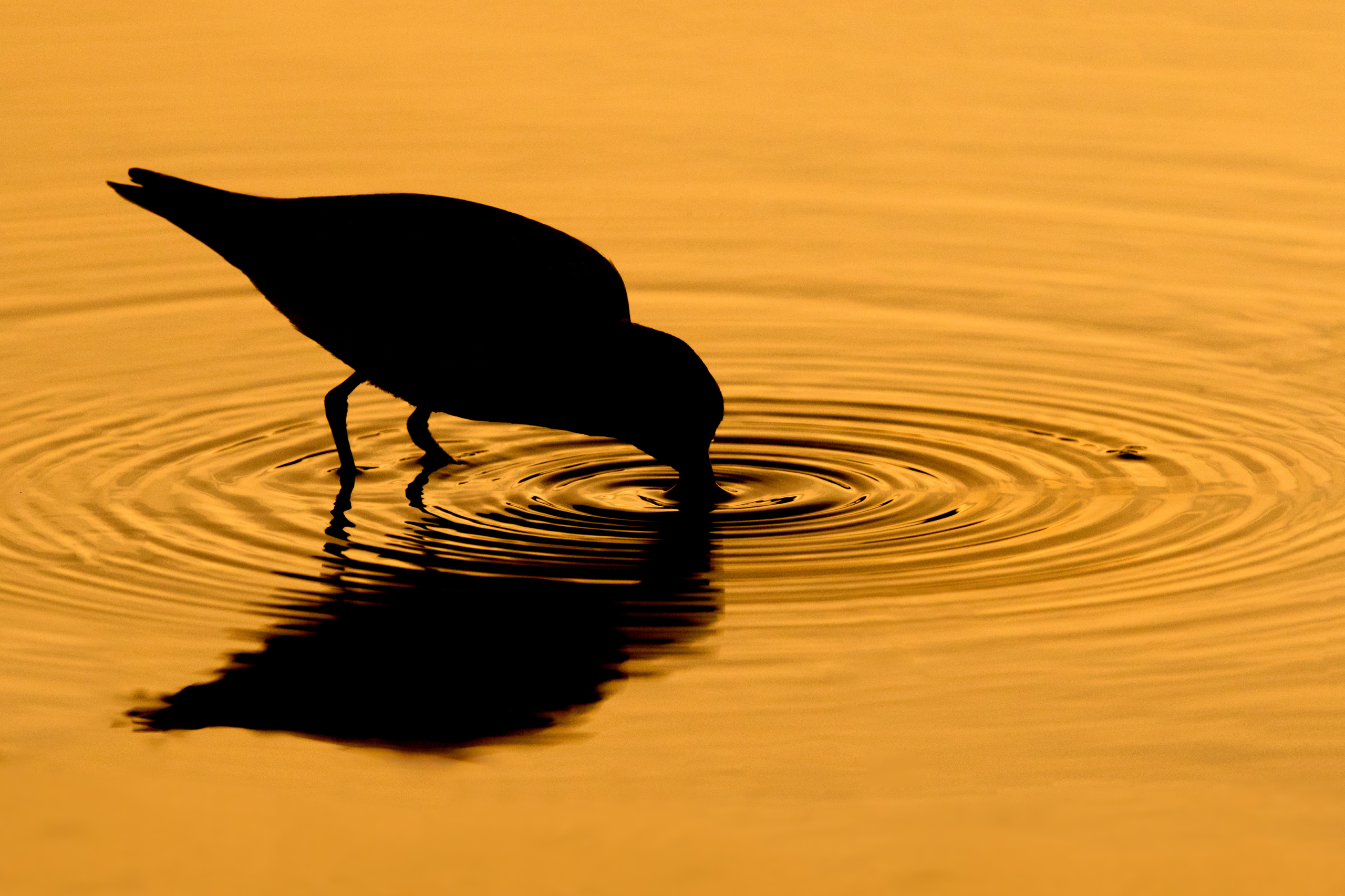
Photo by Daniel Cadieux
Prize Per Skill Level
$500
Deadline
June 30

How It Works

Simple entry. Honest judging. Real prizes.

No hidden fees. No strings attached. Here’s exactly what happens when you enter.

Select your skill level

Choose Beginner, Intermediate, or Advanced. You only compete against photographers at your level, so everyone has a fair shot at winning.
Submit your best wildlife photo(s)

Upload the image(s) that fits this month's theme. Wildlife in a natural setting — no staged or captive animals. That's it.
Professional judges review every image

World-renowned wildlife photographers evaluate each submission on its own merit. They don't see your name — just your photograph.
Winners announced. Prizes paid. Photos published.

One winner per skill level receives $500. Winning images are published in the Journal of Wildlife Photography — seen by thousands of fellow photographers around the world.
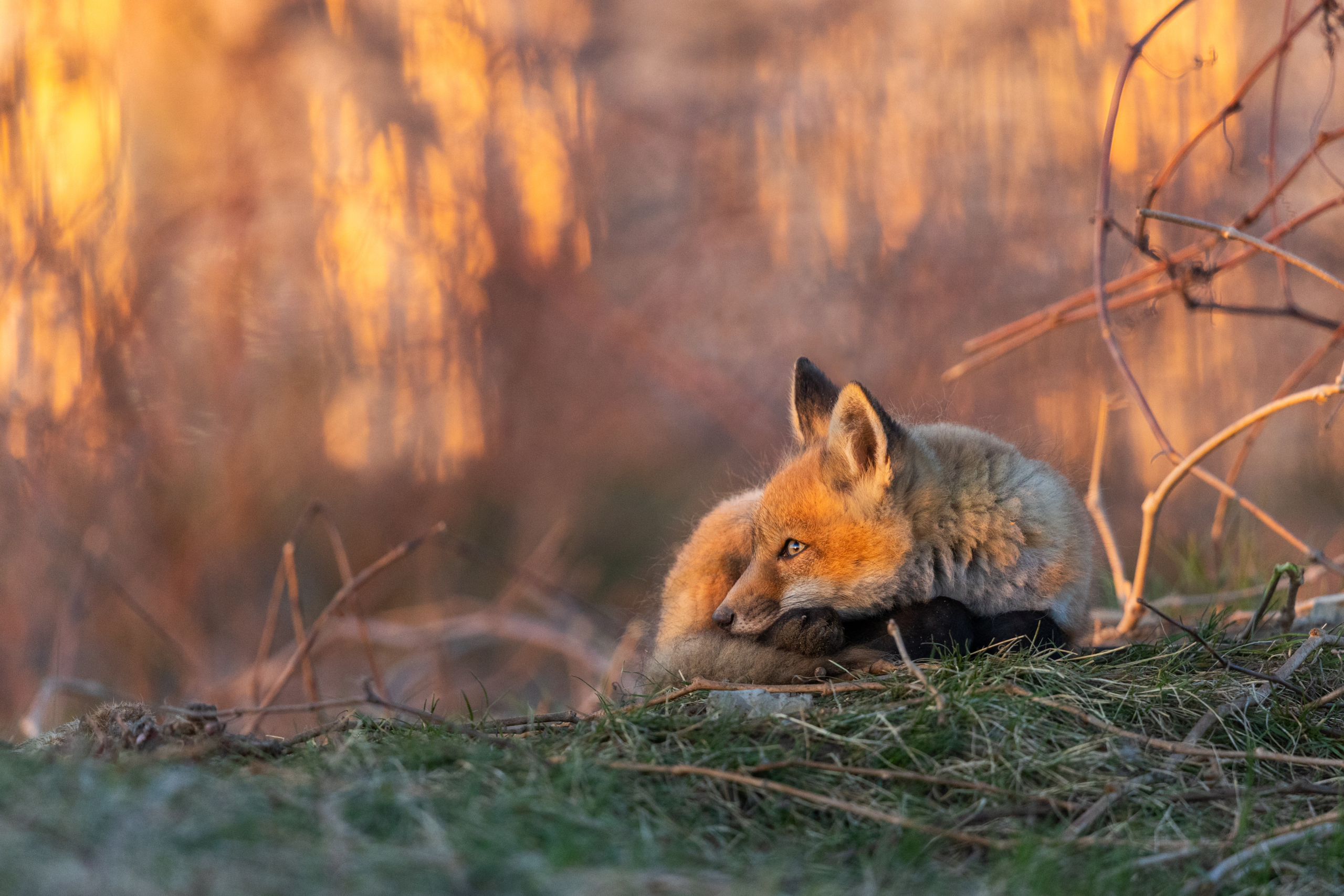
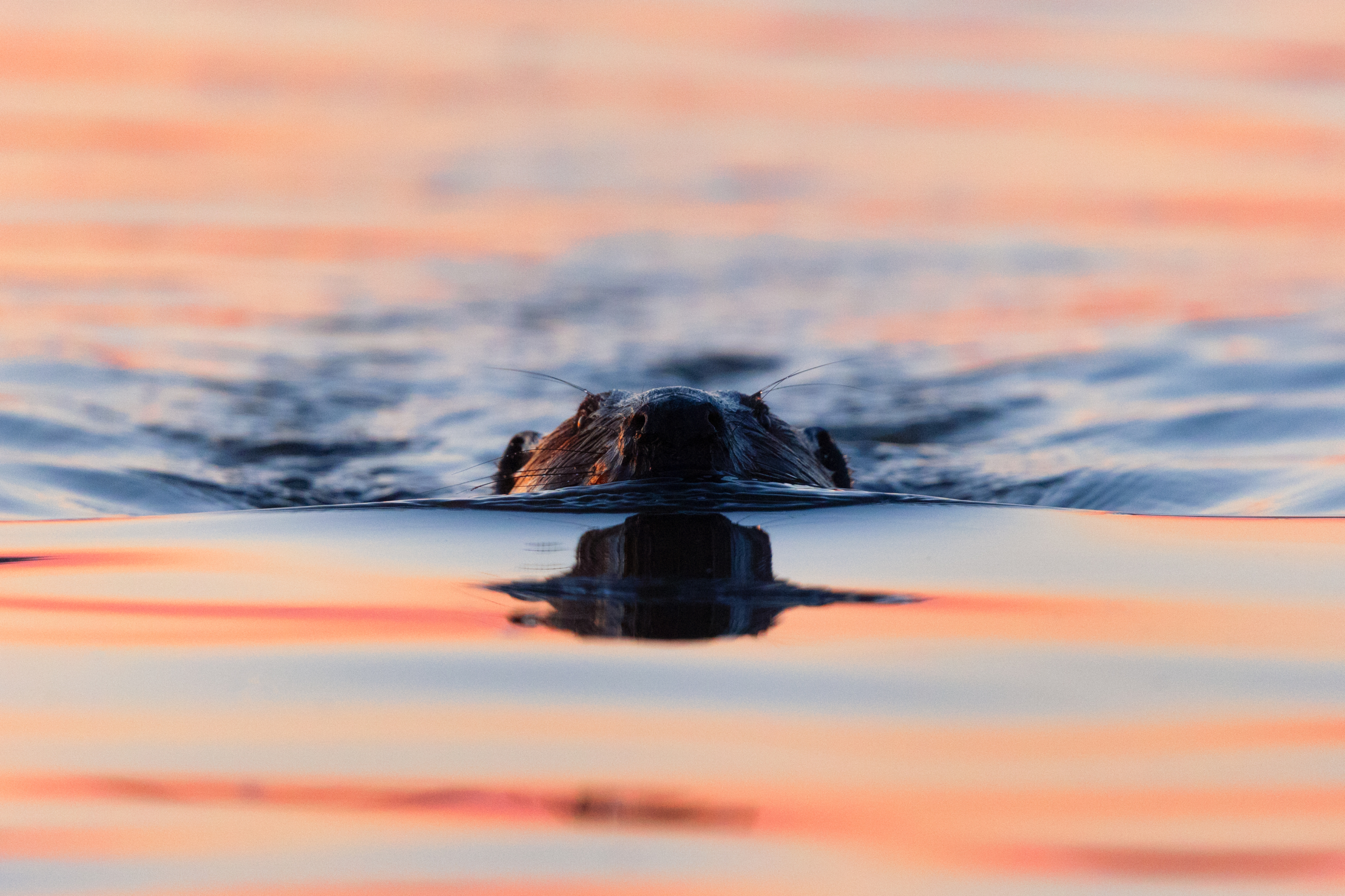
Photo Contest Examples

"Wildlife Behavior" — the kind of work that wins

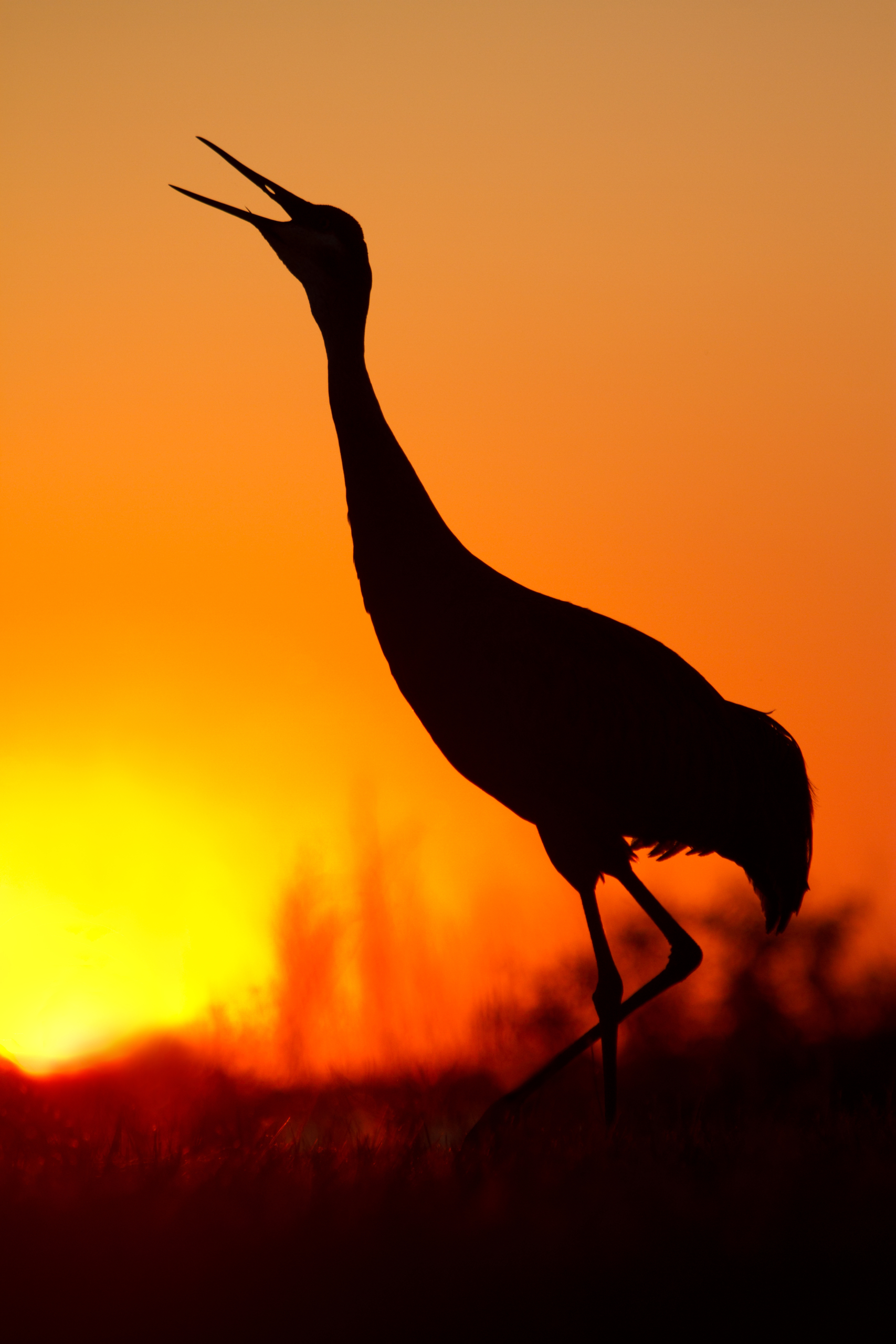
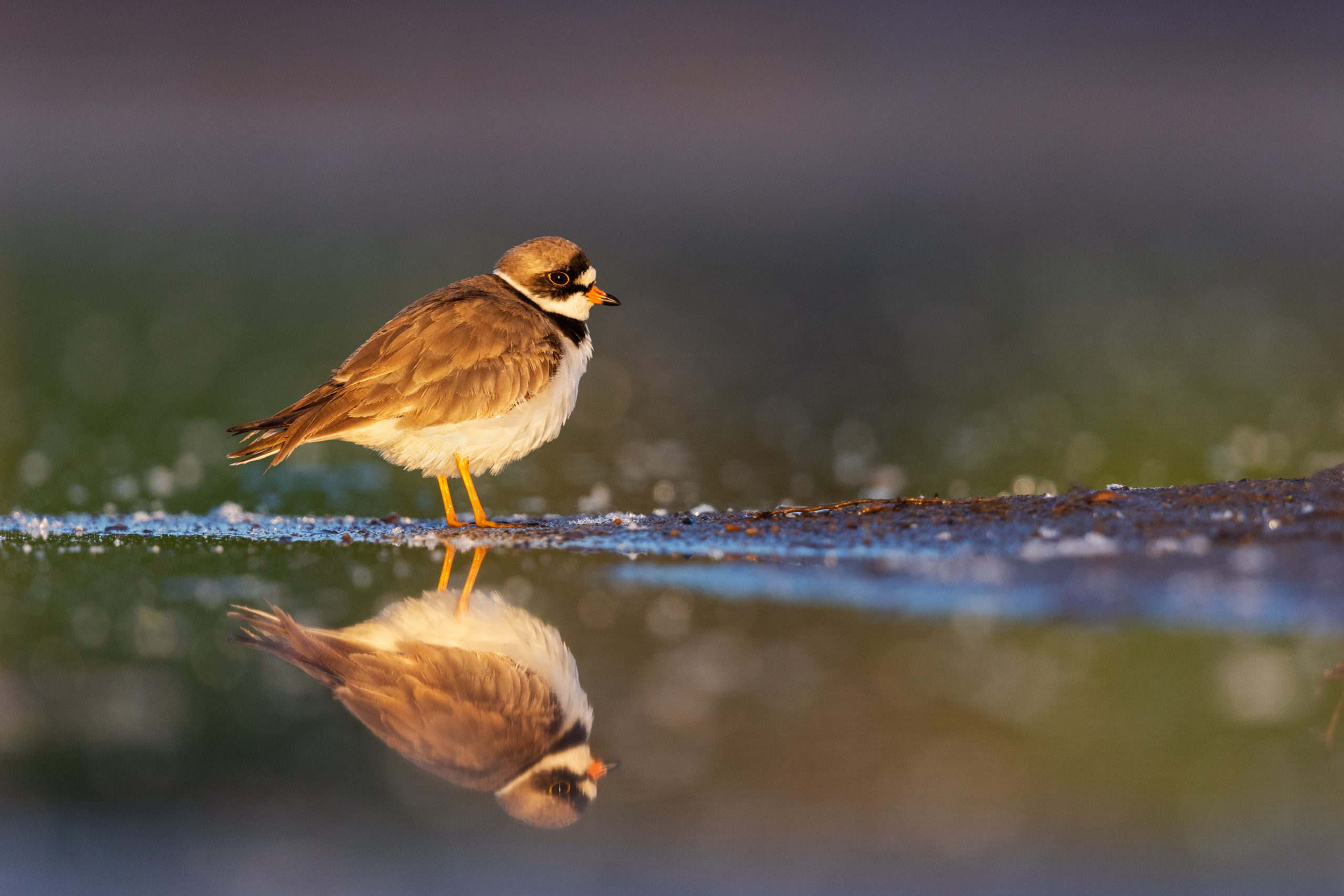
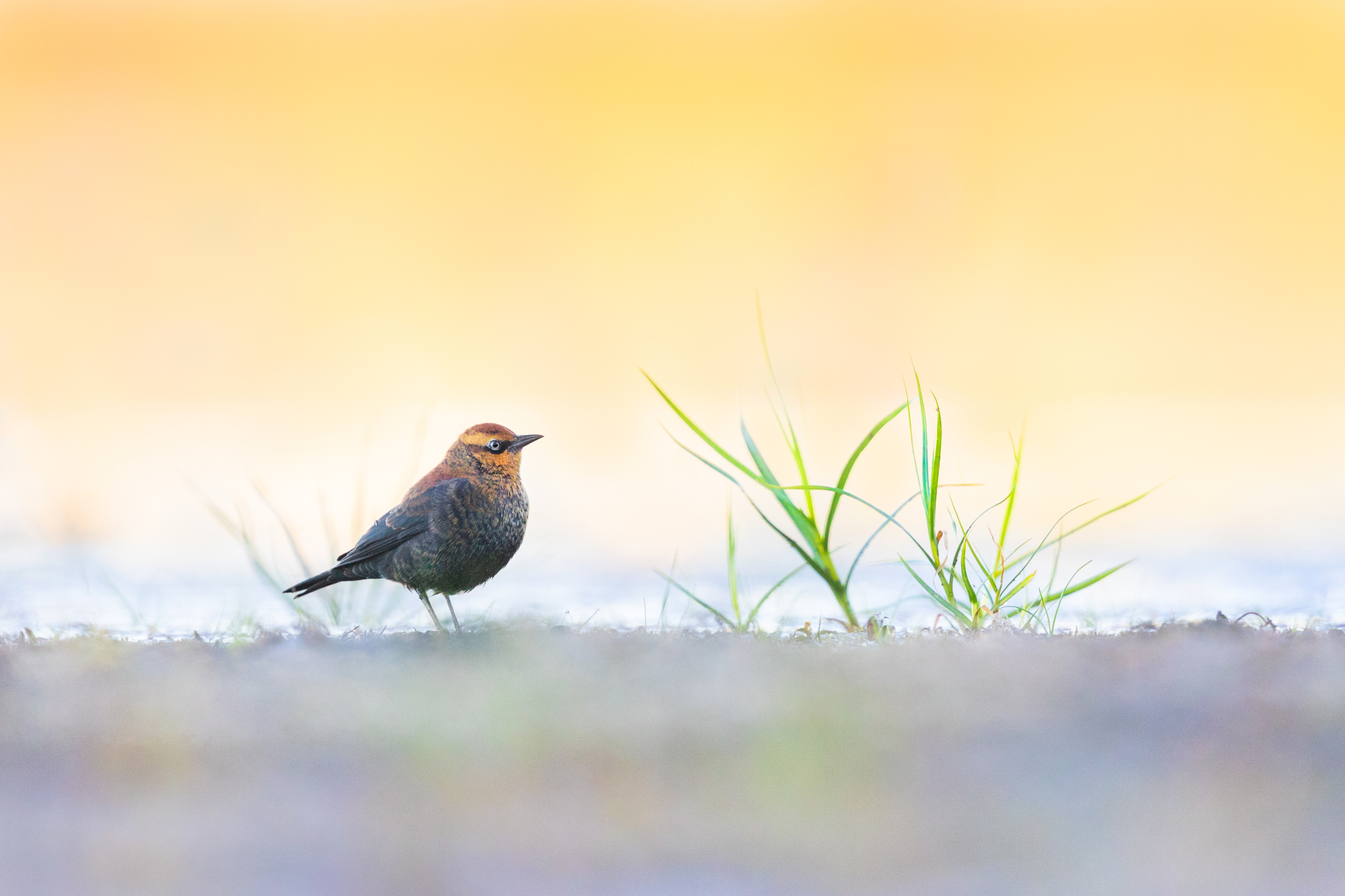
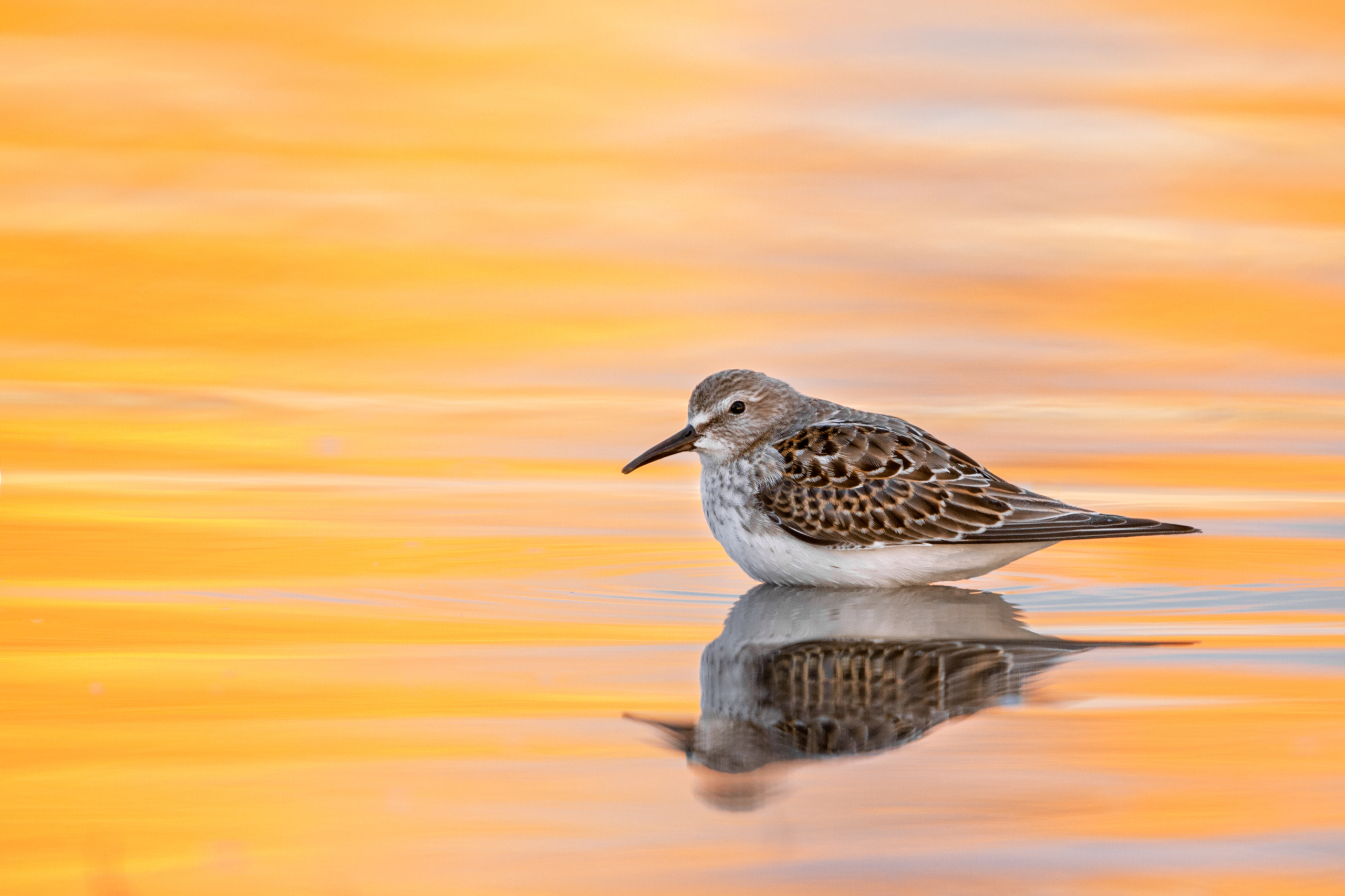
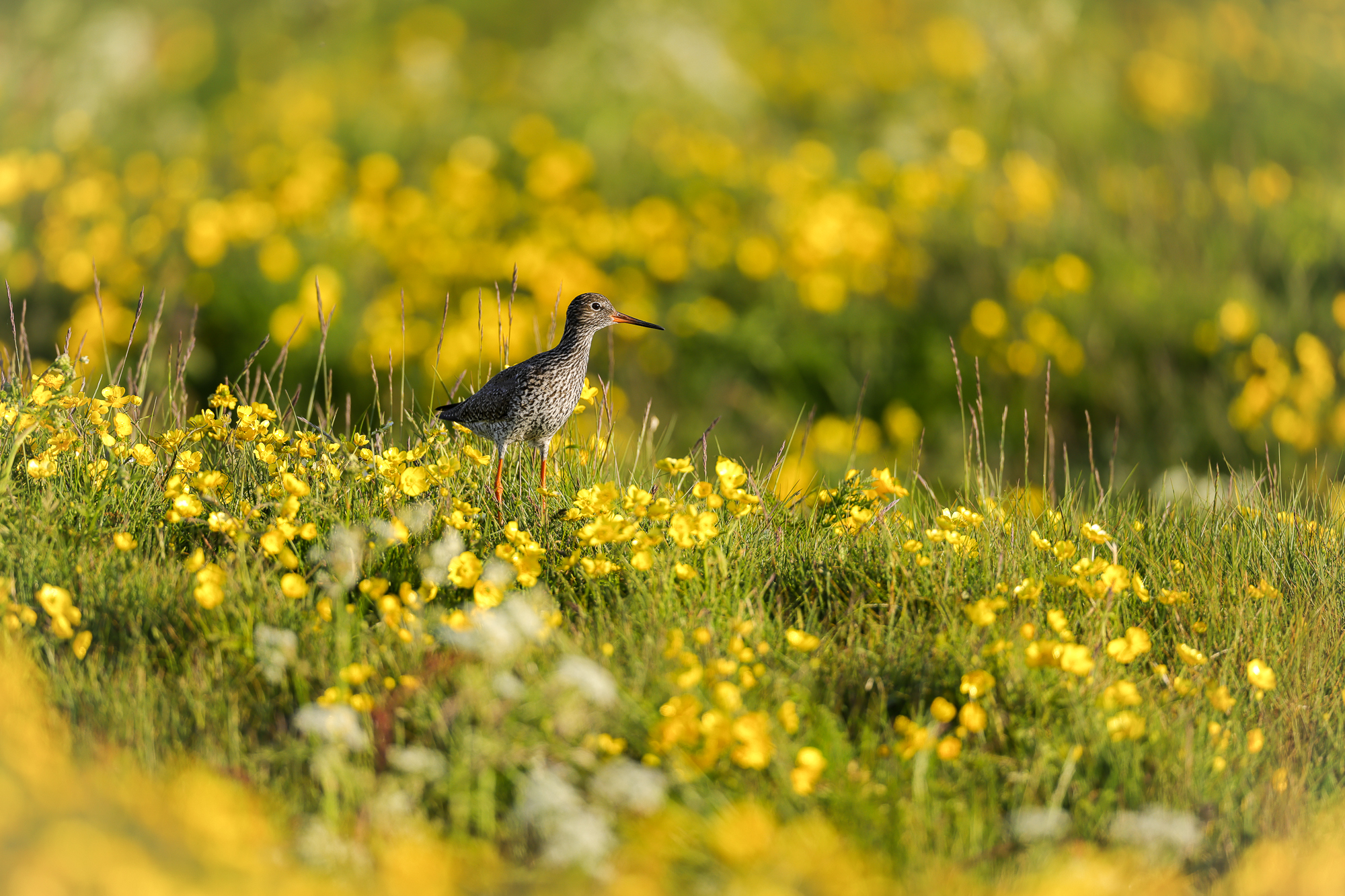
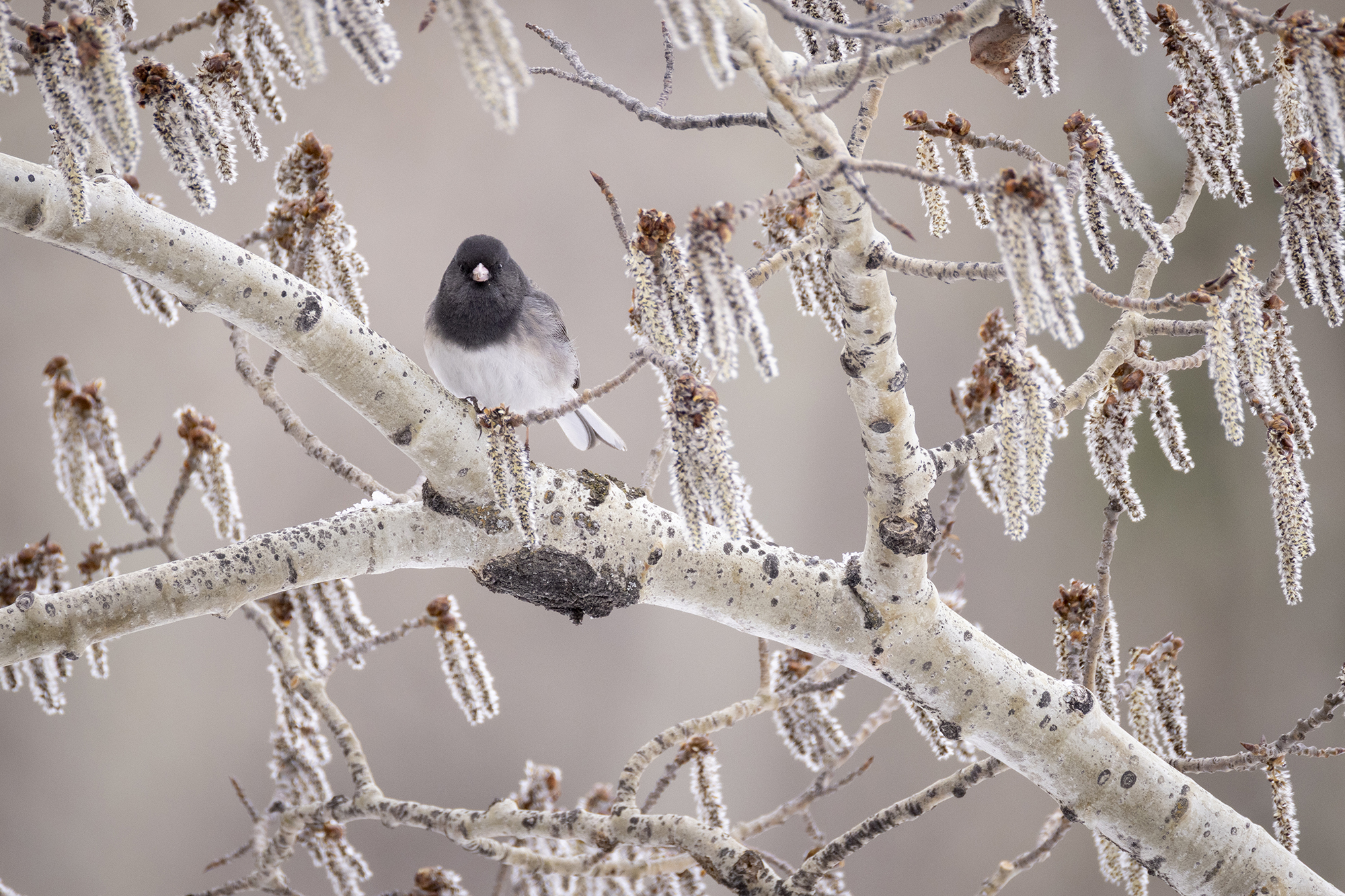
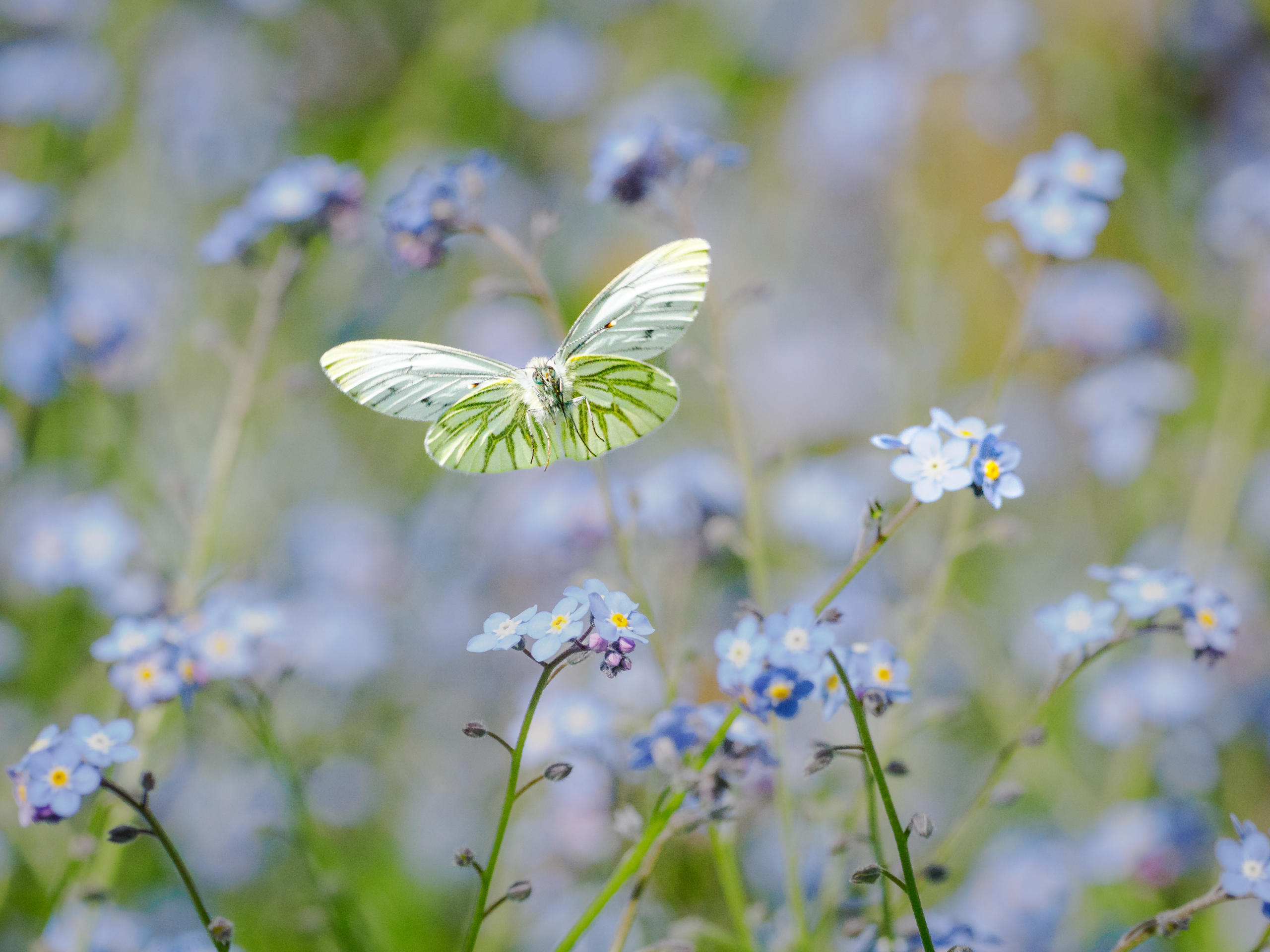
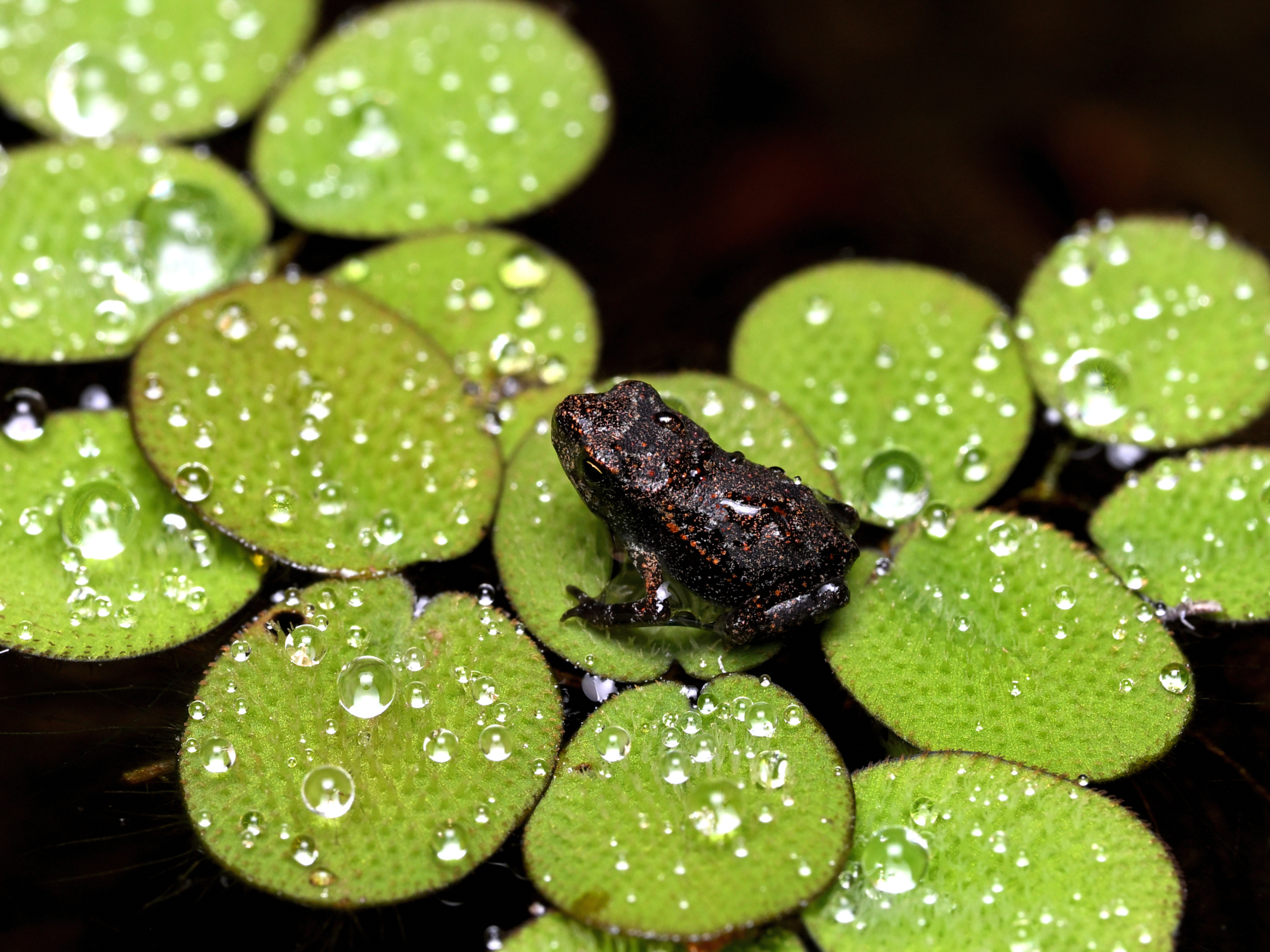
To give you a sense of what our judges respond to, here are examples of the images that embody this month’s theme.

Photo contest sponsored BY DxO

This photo contest is sponsored by DxO, the creators of PhotoLab, PureRAW, and the Nik Collection.

If you’ve been struggling with noise, detail, or getting the most out of your RAW files, this is software many serious photographers rely on.

During our May 2026 photo contest critique, Daniel Cadieux will be doing a live demo and we will be raffling off 2 free licenses for Nik Collection.

Get 20% off DxO products now with coupon code “JOWP20”.

What You Should Know

Your photos are yours. Period.

We know you’ve seen contests that grab your image rights the moment you click “submit.” This isn’t one of them. Here’s how we handle things differently.

You keep full copyright

We will never claim ownership of your images. When you enter, you grant us limited permission to celebrate your photo in connection with the contest — on our website, social channels, and in the magazine if you win. That’s the extent of it. Your photos remain 100% yours, before, during, and after the contest.

Your work is actually seen

Winning photos are published in the Journal of Wildlife Photography and shared across our community of over 70,000 wildlife photographers. Your image doesn’t disappear into a database — it gets the audience it deserves.

Real judges. Blind judging.

Our judges are established, working wildlife photographers — not algorithms, not interns. Every submission is reviewed without any identifying information attached. Your image is judged entirely on its own merit.

Three Skill Levels

Compete at your level

Whether you picked up a camera last year or you’ve been shooting wildlife for decades, you’ll compete against photographers with similar experience. Not against everyone.
Prize Per Category
Beginner
$500
New to wildlife photography or still building your skills. Everyone starts somewhere.
Prize Per Category
Intermediate
$500
You’ve got experience in the field and a portfolio you’re proud of.
Prize Per Category
Advanced
$500
Seasoned professional or serious enthusiast. You know what it takes.

What We're Looking For

Show Us Intentional Photography

Strong wildlife images don’t happen by accident. We’re looking for photographs where every choice feels deliberate — from light and composition to timing and subject placement. Here’s what our judges pay attention to:

Depth and definition

Clear separation between subject and environment.

We’re looking for images where form is easy to read, with detail that holds up across the frame. Whether bright or dark, tones should feel controlled, not flat or muddy.

Intentional use of light

Light should shape the subject, not compete with it.

The strongest images use light with purpose — guiding the viewer’s eye, revealing form, and supporting the mood without overpowering the scene.

Mood and impact

An image should create a reaction, not just show a subject.

We’re drawn to photographs that feel immersive — where light, timing, and composition work together to create something memorable.

Control and precision

Technical execution matters.

Focus, exposure, and timing should support the image, not distract from it. Details should be preserved where needed, and highlights should feel intentional, not accidental.

Visual storytelling

The best images go beyond documentation.

We’re looking for moments where behavior, environment, and composition come together to tell a clear story — something that holds attention and invites a second look.

Quick Tip from the Field

Look for behavior that tells a clear story at a glance. Feeding, hunting, grooming, courtship, conflict, parenting, movement, or interaction with the environment can all work, but the strongest entries will make the behavior easy to understand without needing a long explanation.

Important Guidelines

Your image must feature wildlife in a natural setting

No staged or captive animals will be accepted

Ethical field practices are required

Keep post-processing minimal and natural

The Judges

Judged by world-renowned wildlife photographers

Each month, we bring in respected wildlife photographers to judge the contest. They evaluate every single entry — no shortcuts, no automation. Names are hidden during judging, so the only thing that matters is the image in front of them.

This is a photography contest run by photographers, for photographers.

Common Questions

Everything you may want to know about the contest

What exactly do I get?

You get entry into our monthly wildlife photo contest for a chance to win $500 and have your work judged against photographers at your skill level. You’ll also get access to live image critiques, expert-led training, and a full library of resources to help you improve each month.

You retain full copyright and ownership of your image at all times. We use it only to promote the contest and publish winners. We do not sell, license, or distribute your photos to anyone. We do not use your images for AI training or any purpose beyond the contest itself.
All judging is blind — judges never see the photographer’s name, skill level, or any other identifying information. They evaluate each image purely on its photographic merit. Our judges are published, working wildlife photographers with real credentials you can verify.

The Journal of Wildlife Photography has a community of over 20,000 members and has been running monthly contests with real winners and real cash prizes for years. You can see past winners and their published work on our website. We pay out prizes promptly and have a track record you can check.

Can I submit more than one photo?

Yes, absolutely. An Annual Plus Plan gives you 5 free contest entries per month. Lifetime gives you 10 free entries per month. You can also purchase additional photo contest credits.

Your image must feature wildlife in a natural setting. No staged or captive animals. Ethical field practices are required, and post-processing should be minimal and natural. The photo should fit this month’s theme.
The deadline for the June 2026 photo contest is June 30, 2026 at midnight Pacific Time

Both memberships include the same features: live trainings, contests, critiques, the magazine, the archive, and the community. The difference is duration and contest entries. Annual Plus gives you 5 free contest entries per month. Lifetime gives you 10 free entries per month, plus 15% off all future purchases. It is a one-time payment and you never pay again.

Your photo deserves to be seen.

Enter the June 2026 “Wildlife Behavior” contest. Your best shot. Fair judging. Your rights protected.

$500 prize per skill level · Deadline: June 30, 2026 at midnight Pacific Time

Past Winners

See who's won before — and where their work ended up

Every month, three photographers walk away with $500 and a publication credit in the Journal of Wildlife Photography. These aren’t stock photos sitting in a folder. They’re images that were seen, celebrated, and shared across a community of over 70,000+ wildlife photographers. Here are some of the people who entered, won, and got their work in front of the right audience.

April 2026 Beginner Winner ( Theme "Water and Wildlife" ) : “Raindrops" by Liam Tomko-Watterworth
“Raindrops”
by Liam Tomko-Watterworth
April 2026 Wildlife Photography Contest Beginner Category Winner
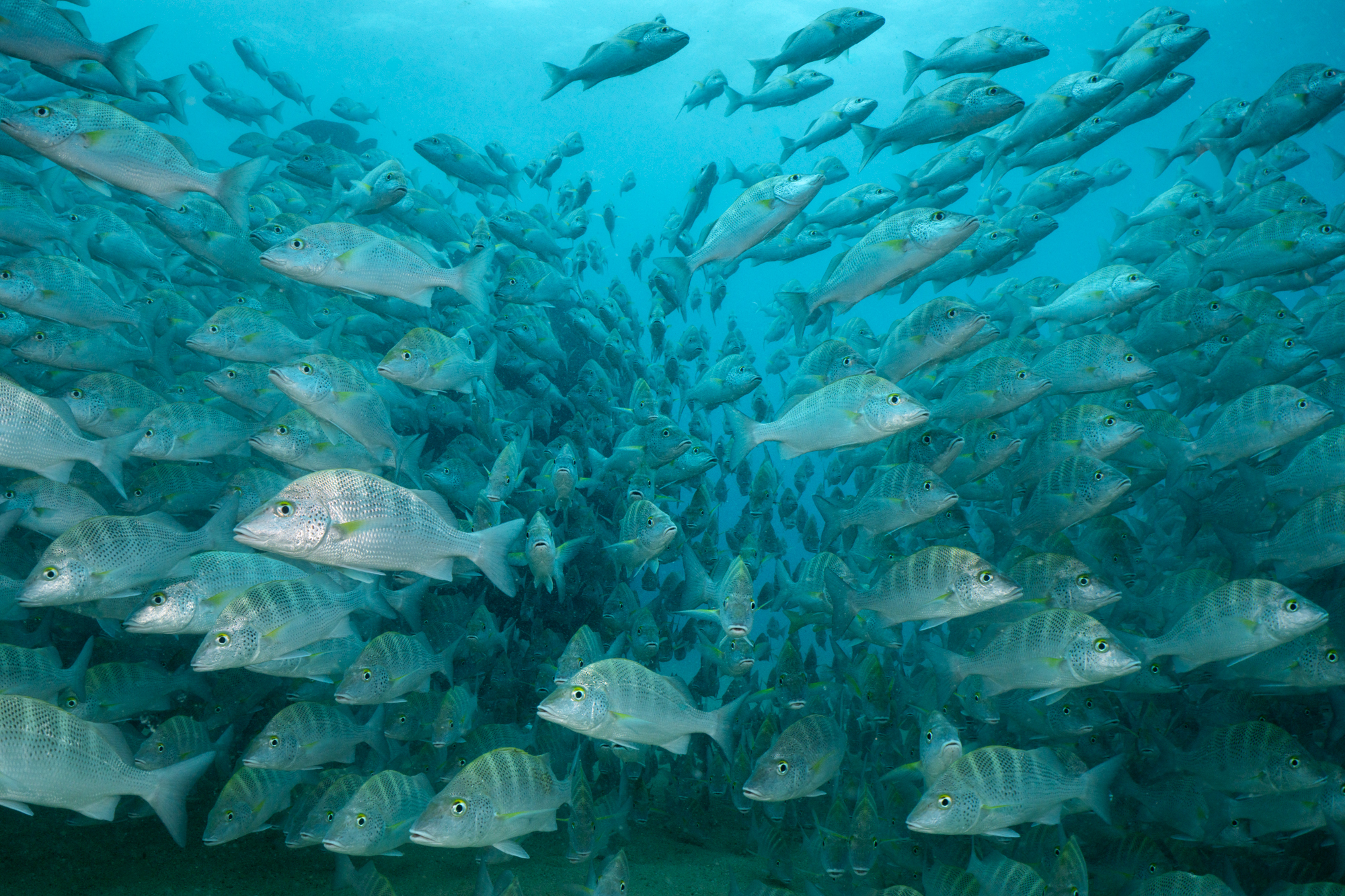
April 2026 Intermediate Winner ( Theme "Water and Wildlife" ) : “Grunt Stampede" by Cynthia Ariosta
“Grunt Stampede”
by Cynthia Ariosta
April 2026 Wildlife Photography Contest Intermediate Category Winner
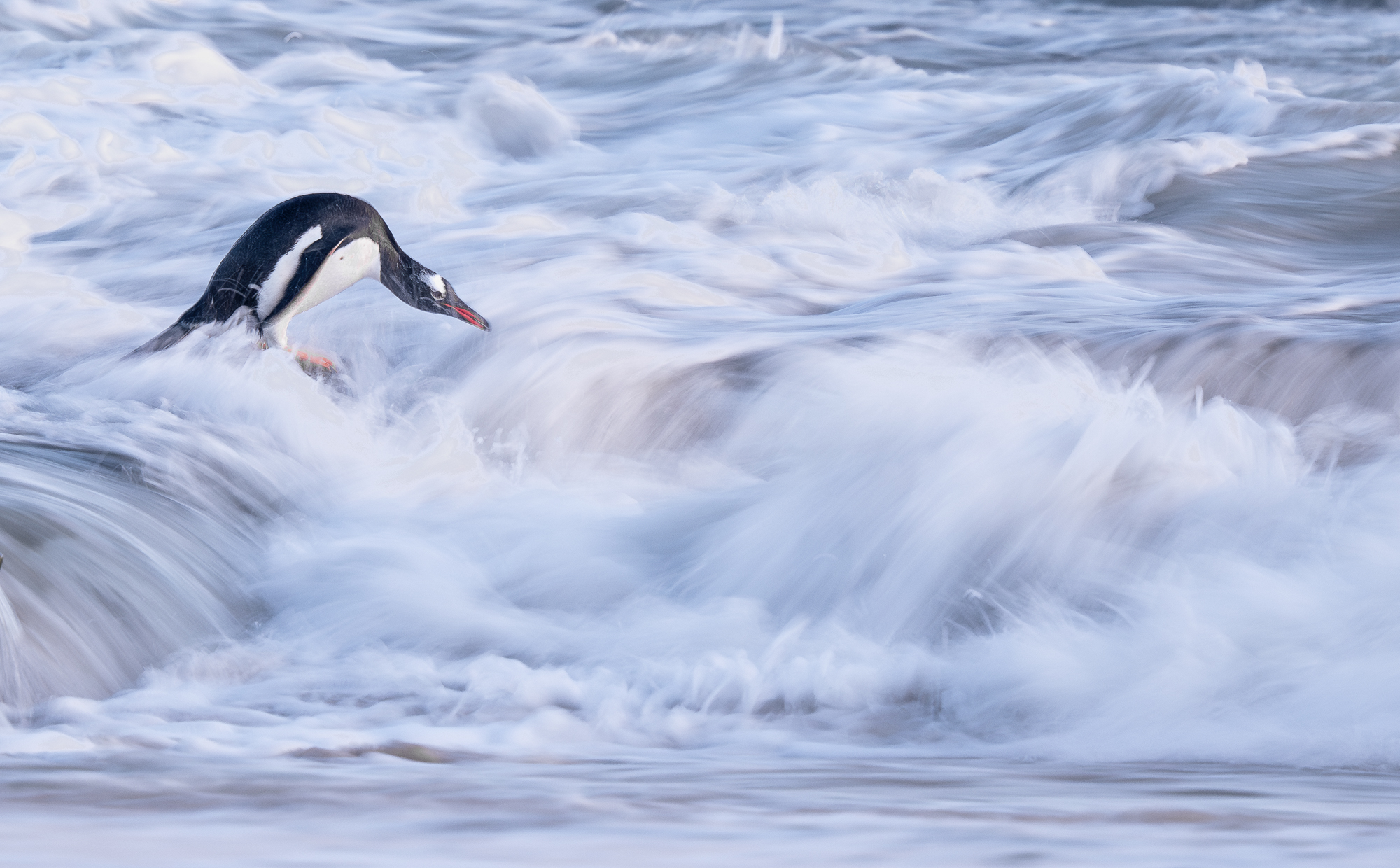
April 2026 Advanced Winner ( Theme "Water and Wildlife" ) : “Gentoo Penguin in Surf" by Jacqueline Burke
“Gentoo Penguin in Surf”
by Jacqueline Burke
April 2026 Wildlife Photography Contest Advanced Category Winner
March 2026 Beginner Winner ( Theme "All Things Black" ) : “As The Crow Flies" by Yousef Afridi
“As The Crow Flies”
by Yousef Afridi
March 2026 Wildlife Photography Contest Beginner Category Winner
March 2026 Intermediate Winner ( Theme "All Things Black" ) : “Haunted Distance" by Jennifer Anderson
“Haunted Distance”
by Jennifer Anderson
March 2026 Wildlife Photography Contest Intermediate Category Winner (2)
March 2026 Intermediate Winner ( Theme "All Things Black" ) : “Fishing Spider" by Chuan Kwee Lim
“Fishing Spider”
by Chuan Kwee Lim
March 2026 Wildlife Photography Contest Intermediate Category Winner

Testimonials

Don't take our word for it.

We could tell you the contest is fair, the prizes are real, and the experience is worth it. But you’d probably rather hear it from photographers who’ve actually been through it.

Stop Guessing. Start Here.

Two ways to join. No risk either way.

Both memberships include everything – live trainings, contests, critiques, the archive, and the community. Full access from day one. 30-day money-back guarantee on both.

MEMORIAL DAY SALE! 40% OFF ANY MEMBERSHIP

ANNUAL PLUS+
SAVE $79
$197 USD
per year
30-day money-back guarantee · Cancel anytime
LIFETIME
SAVE $159
$397 USD
one-time payment · never pay again
30-day money-back guarantee · Cancel anytime

Common Questions

Have More Questions About The Membership?

I'm a beginner. Will the Journal be over my head?

No. Most members join because they feel stuck, regardless of experience level. The photo contests have separate Beginner, Intermediate, and Advanced skill levels. The trainings cover both core field techniques and more advanced concepts. And the critiques are designed to show you what to work on next, not make you feel behind. Many of our most active members started as complete beginners.

Working, published wildlife photographers whose work has appeared in National Geographic, BBC Wildlife, Audubon, and other major publications. Instructors include Simon d’Entremont, Steve Perry, Matt Kloskowski, Glenn Bartley, Russell Graves, and many others. These are photographers who know what it takes to make meaningful progress in the field.

Every live training and critique session is recorded and added to the archive immediately. You can watch on your own schedule. The recordings do not expire. Once you are a member, you have access to every session we have done.

How is this different from a workshop?
A typical wildlife photography workshop can cost $2,000 to $5,000 and gives you a few days of instruction. Then you go home and you are on your own again. The Journal gives you a new live training every month, ongoing contests and critiques, a full learning library, and a community that is there year-round, for a fraction of the cost and without the travel, time off work, or physical demands.

Both memberships include the same features: live trainings, contests, critiques, the magazine, the archive, and the community. The difference is duration and contest entries. Annual Plus gives you 5 free contest entries per month. Lifetime gives you 10 free entries per month, plus 15% off all future purchases. It is a one-time payment and you never pay again.

Every membership comes with a 30-day money-back guarantee. If you join and it is not what you expected, you get your money back. Annual Plus members can also cancel anytime. There is no long-term commitment because we do not need one.

You already know something isn't working.

The Journal gives you the feedback, the instruction, and the community to stop guessing and start seeing real change in your work. 26,000+ photographers already have.
Annual Plus: $197/year · Lifetime: $397 one-time · 30-day money-back guarantee
Wildlife Photography Contest Official Rules

Updated 03/01/2026

Please read and follow the rules carefully. Failure to comply with all rules will disqualify your entry.

Official Rules:

  • You must be a member of JOWP or have purchased individual photo contest entries to enter.
  • Lifetime members receive 10 free contest entries per month. Annual members receive 5 free contest entries per month.
  • Individual photo contest entries can be purchase here: Addition entry credits.
  • You must be the photographer who took the photo and hold all rights to the image.
  • No illustrations, paintings, or AI generated photos allowed.
  • ALL semifinalists and finalists will be required to submit the original untouched RAW file (e.g., ARW, CR2, CR3, DNG, NEF, ORF, PEF) or the original untouched JPEG file (if shot in JPEG) within 72 hours of the request from the judges.
  • Your photo doesn’t have to be new; however, we encourage you to get out and create new, fresh photographs.
  • Animals must be wild and free, unrestrained, and not domesticated or living in captivity.
  • Digital adjustments are permitting provided they do not deceive the viewer or misrepresent the reality of nature or the image originally captured by the camera. The integrity of the original scene and subject should be maintained.
  • Subject to the more detailed rules below, the following digital adjustments are permitted: tone, color, white balance, and contrast adjustments; dodging and burning; cropping; leveling; sharpening; noise reduction; minor cleaning to remove dust spots or scratches on your camera’s sensor; HDR; stitched panoramas; and photo stacking (photographs stacked and combined for the purpose of focus stacking, noise reduction, or lengthening exposure, but only if the photos are taken at the same location at approximately the same time as a continuous sequence). As set forth below, masking may be used to make some or all of these permitted digital adjustments.
  • Content alteration of digital files is not acceptable. This means no cloning (except cloning to eliminate dust spots or scratches on your camera’s censor). You may NOT add, move, or remove objects, trees, plants, animals, people, or parts thereof, including dirt, backscatter, debris, plant or tree limbs, etc.
  • Moderate cropping of photographs is allowed. There is no hard and fast rule on the amount of cropping that is permitted, but you should be advised that some judges will disqualify an image if it has been cropped more than 50%. To provide a frame of reference, please note that you will lose 50% or more of an image’s total pixels when cropping from a common landscape (like 3:2) to a portrait orientation (like 2:3), as you are removing the entire left and right portions of the photo. The exact percentage depends on the original and cropped aspect ratios.
  • Moderate leveling of horizon lines is allowed. There is no hard and fast rule on the amount of leveling that is permitted, but some judges will disqualify an image if it has been leveled more than 10%.
  • Moderate adjustments to tone, color, contrast, and saturation are permitted. Color and saturation adjustments that are so extreme that the final colors are wildly different from the original image are not permitted.
  • Masking is permitted. Masking is a technique that allows you to selectively hide or reveal parts of an image so you can edit or make permitted digital adjustments only to specific areas of the image.
  • The use of AI tools like those in Topaz Photo AI is permitted for sharpening and noise reduction. However, you may not use tools like Topaz Photo AI or Topaz Gigapixel AI to upscale or enlarge images.
  • Images must NOT have a border, watermark, signature, logo or any other identifiable data.
  • By entering the contest, entrants agree that their images have been taken following our ethical wildlife photography guidelines.
    Entrants under 18 years of age require the permission of a parent or guardian. By entering the contest, entrants under 18 years of age agree that they have obtained permission to enter from a parent or guardian.
  • The Journal of Wildlife Photography will NOT retain copyright, ownership, or any other rights to your images, however, by submitting your photo/s to our contest, you give JoWP permission to use your images for purposes of promoting current or future photo contests via journalofwildlifephotography.com, JoWP.com, our social media platforms, the JoWP magazine featuring contest winners/runners-up and electronic email.
  • Contacting the judges directly about an image submitted to the contest is not allowed during the contest.
  • Images that have won in previous international or national contests are not allowed.
  • Entries are accepted worldwide.

Submitting a photo:

  • For the best possible experience, we recommend using Google Chrome. Other browsers will work; however, some people have had some issues uploading.
  • All photographic entries must be submitted electronically. Digital files must be at least 1500 pixels and no more than 2000 pixels on the long edge, with resolution set to 72 ppi.
  • Accepted file formats: jpg or png.
  • Maximum file size is 10 MB.
  • You are expected to give your photo a short title (maximum ten words).
  • You may include a brief caption (maximum 50 words) and the name of the specific location where you photographed your entry (backyard, “X” City Park, “X” Nature Center, and the city, state/province, and country), but this is NOT required. You may also include information pertaining to the camera and lens with which the image was shot and the focal length, aperture, shutter speed, and ISO, but this is NOT required. If your image is selected as a semifinalist or finalist, you may be required to provide all of this information.

Choosing a Skill Level

NOTE: Select the skill level that reflects where you are today as a photographer. Entries are judged based on your current skill level, not the level you were at when you captured the image.

  • Beginner: Enter this skill level if you have started photography (any genre) in the past 12 months. You are still learning about correct exposure and composition and have not yet mastered manual exposure.
  • Intermediate: Enter this skill level if you have learned how to take your camera out of Program Mode and use other modes to control the camera’s ISO, aperture, and shutter speed. You have begun developing your sense of style by working from different angles and using composition, lighting, and color to produce photographs that stand out from a beginner’s work.
  • Advanced: Enter this skill level if you have mastered the controls of your cameras and you photograph quickly and with ease. You recognize strong compositions, seek unusual perspectives, and use lighting techniques to elevate your work to a higher level than what an intermediate photographer would produce. You produce unusual, dramatic work with impact that leaves viewers with a sense of awe and wonder.

Prizes

  • Beginner: $500
  • Intermediate: $500
  • Advanced: $500
  • All prizes will be paid out via paypal.
  • Winning entries are to be featured in the following issue of the Journal of Wildlife Photography showcasing the beautiful work and stories behind the photographs.
Log in below: