
"Shooting Techniques in the Field for Better Editing Options in Post-Processing"
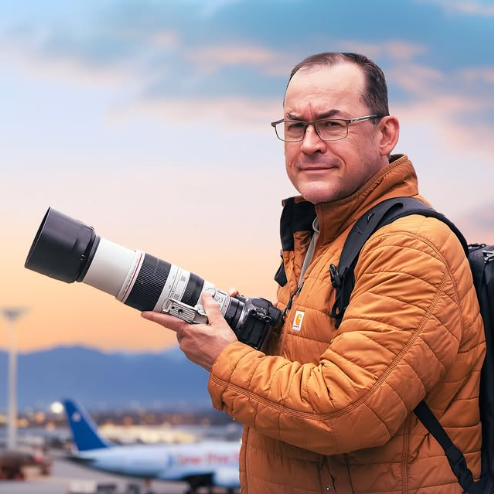
- Simon d’Entremont
- Thursday, December 11, 2025 8:00 pm EST
Wildlife photographers often feel stuck during editing.
Your RAW files look good at first glance. The subject is sharp. The light felt right in the field. But once you start editing, the image does not respond the way you hoped. Noise appears. Backgrounds feel messy. Colors break down faster than expected.
That is exactly why wildlife photographer and educator Simon d’Entremont led a live training focused on how field decisions shape post-processing results. With more than 685,000 subscribers on YouTube and years of experience teaching wildlife photography, Simon has built a reputation for clear, practical instruction rooted in real-world shooting.
This training focuses on how to capture stronger files in the field so your edits become easier, cleaner, and more controlled.
What You’ll Learn in the Training
This session breaks down the direct connection between how you shoot and how well your images edit. Simon shows how small adjustments in the field can dramatically improve flexibility in post-processing.
Below are the core lessons covered in the training.
1. Why Clean Backgrounds Matter More Than You Think
Backgrounds were a major focus, since they often cause problems later in editing.
- Busy backgrounds limit how far you can push color and contrast
- Shooting from lower angles increases background distance and separation
- Cleaner backgrounds reduce the need for heavy masking
- Better separation leads to smoother transitions in post
- Background choice affects noise, color grading, and edge quality
2. Using Shooting Angle to Improve Editing Flexibility
Simon demonstrated how angle changes everything.
- Low angles compress backgrounds and simplify compositions
- Small position changes can remove distracting elements
- Angle affects light direction and shadow placement
- Shooting height influences how clean edges appear in post
- Better angles reduce the need for heavy corrections
3. Lens Choice and Depth Control
Lens selection plays a big role in how files respond to editing.
- Faster lenses provide smoother backgrounds and cleaner subject edges
- Wider apertures increase separation and masking accuracy
- Compression helps simplify backgrounds
- Aperture choice impacts noise visibility and detail retention
- Depth control in the field saves time in post
4. Light Direction and Exposure Strategy
Light was one of the most important topics in the session.
- Front, side, and backlight each create different editing challenges
- Light direction affects contrast, color, and detail
- Understanding light reduces the need for aggressive edits
- Using histograms and blinkies to guide exposure
- When to use ETTR and when to protect highlights
5. Live Processing Demo
Simon tied everything together with real examples.
- Before-and-after edits showing how field choices affect results
- How cleaner files hold detail with less noise
- Why strong field technique leads to faster edits
- Examples of when breaking rules produces stronger images
- How small shooting changes lead to big editing gains
Who This Training Is For
This session is ideal for:
- Wildlife photographers who feel limited when editing their images
- Photographers struggling with noise, backgrounds, or masking
- Anyone who wants a stronger link between field work and editing
- Intermediate photographers looking to improve consistency
- Photographers who want better results without buying new gear
About the Presenter
Simon d’Entremont is a Canadian wildlife photographer and photo educator known for his clear, practical teaching style. He shares wildlife photography education with more than 750,000+ subscribers on YouTube and teaches photographers through live training, workshops, and online courses.
Simon photographs wildlife around the world, from Arctic regions like Svalbard to African wildlife locations. His teaching focuses on composition, exposure, light, and behavior, with an emphasis on creating strong files in-camera so post-processing becomes easier and more controlled.
Members get access to live trainings and critiques designed to help serious wildlife photographers improve faster through real instruction and real feedback.
Each session focuses on practical decisions made in the field and why certain images succeed while others fall short.
When you join today, you can attend live or watch the full replay anytime.
Unlock this session and all member-only trainings and critiques by choosing a membership below.
Stop Guessing. Start Here.
Two ways to join. No risk either way.
4TH OF JULY SALE! 40% OFF ANY MEMBERSHIP
- 5 photo contest entries per month
- Live monthly trainings + full recording archive
- Live monthly critiques so you can see why images win
- Every back issue, video, and article unlocked instantly
- Private photographer community with real feedback
- Members-only discounts from top photography brands.
- 5 Free Anytime Photo Credits ($50 Value). These credits can be used on any future monthly wildlife photo contest you choose. They never expire, so you can save them for themes you really love throughout the year.
- 10 photo contest entries per month
- Lifetime access to every training, critique, and recording, past and future
- The full Journal library, every issue, every video, every article
- Lifetime access to the private community
- 15% off all future full-price purchases
- Members-only discounts from top photography brands.
- 10 Free Anytime Photo Credits ($100 Value). These credits can be used on any future monthly wildlife photo contest you choose. They never expire, so you can save them for themes you really love throughout the year.