
March 2026 Wildlife Photography Contest Beginner Category Winner
Theme: All Things Black
“As The Crow Flies” by Yousef Afridi
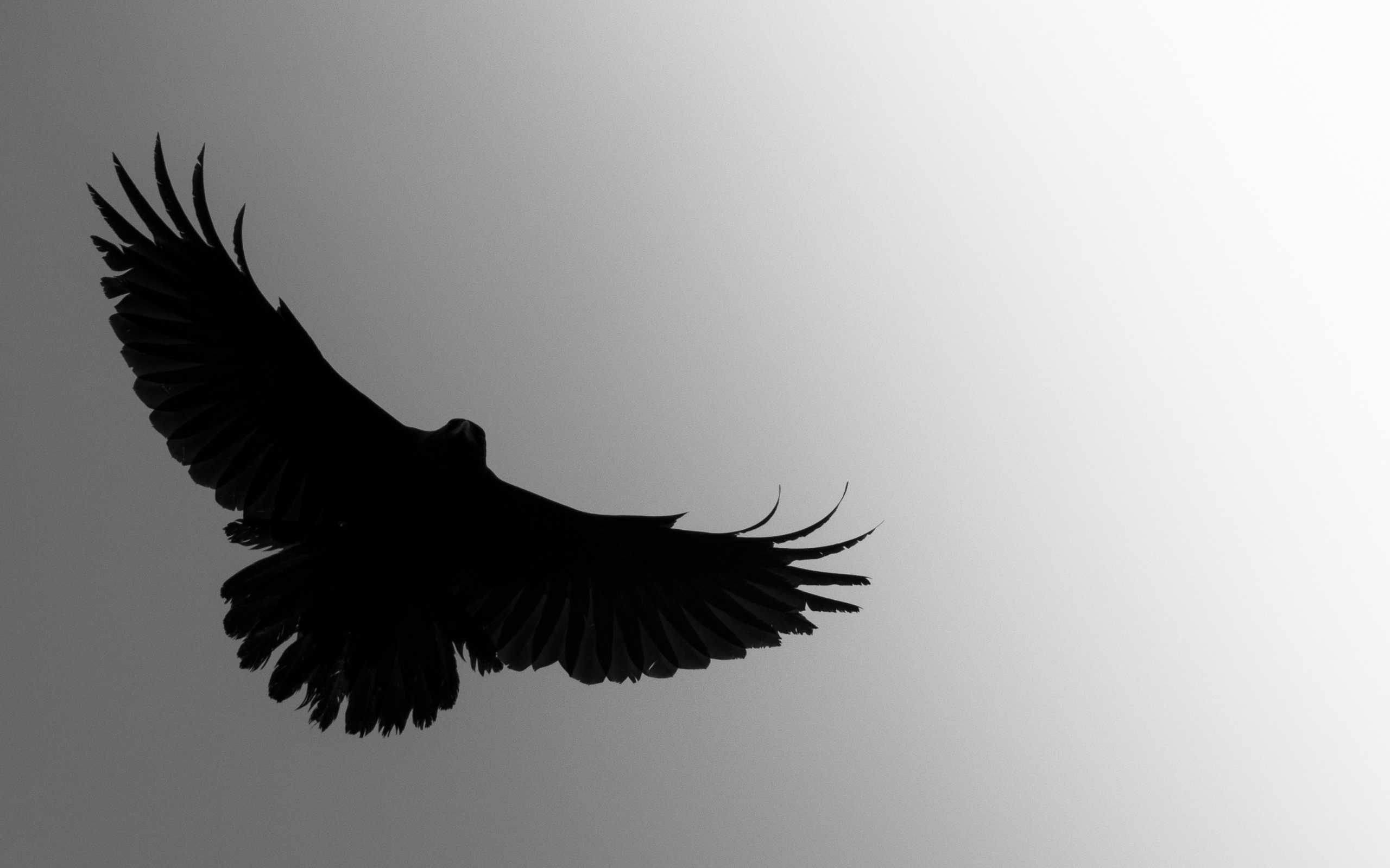
At the beginning of March 2025, an extremely difficult life event befell my family. As we searched for footing, I knew I would need something productive to focus my energy and help me move forward. I had always had a passing interest in photography, and that April felt as good a time as any to give it a proper try. My father-in-law passed on his old Nikon D90 and a 70–210mm lens. I learned the camera, and I was hooked. Before long, I upgraded to a D750 and recently invested in a 200–500mm lens — a dream come true.
Since then, I have been experimenting across all kinds of photography, from street to astro. But I realised very quickly that wildlife photography was my true passion. Being fully immersed in the natural world — learning about animal behaviour, respecting their space while sharing it, and practising patience in the moment — has been profoundly meditative and healing.
From April 2025 onwards, I feel my identity as a wildlife photographer has begun to take shape. I have always cared deeply about nature and ethics, and I approach wildlife photography as something educational. I like to come away from a session knowing a little more about the animals I have spent time with. Through photographing American Robins hunting for worms, for instance, I have learned to read their body language and understand their feeding process.
I am also drawn to the common wildlife of my hometown, Toronto — the underdogs that might otherwise be overlooked: house sparrows, squirrels, gulls. There is something deeply satisfying about capturing fleeting moments that most people walk past without noticing. All wildlife is worthy of attention, and a species being common does not make it any less remarkable than an exotic one.
Technically, I work with available light and adapt to what I have. For the winning crow silhouette, I converted to monochrome and added contrast — the sky was flat and grey, the light was low, and there were no interesting colours to speak of. Stripping it back made the image about the crow’s shape, which felt like the right choice. For smaller, more active subjects — songbirds darting through dense brush — I rely more on manual focus, since autofocus can struggle when there are leaves and twigs in the way.
I am deeply grateful to have found wildlife photography. I know it will be a lifelong passion.
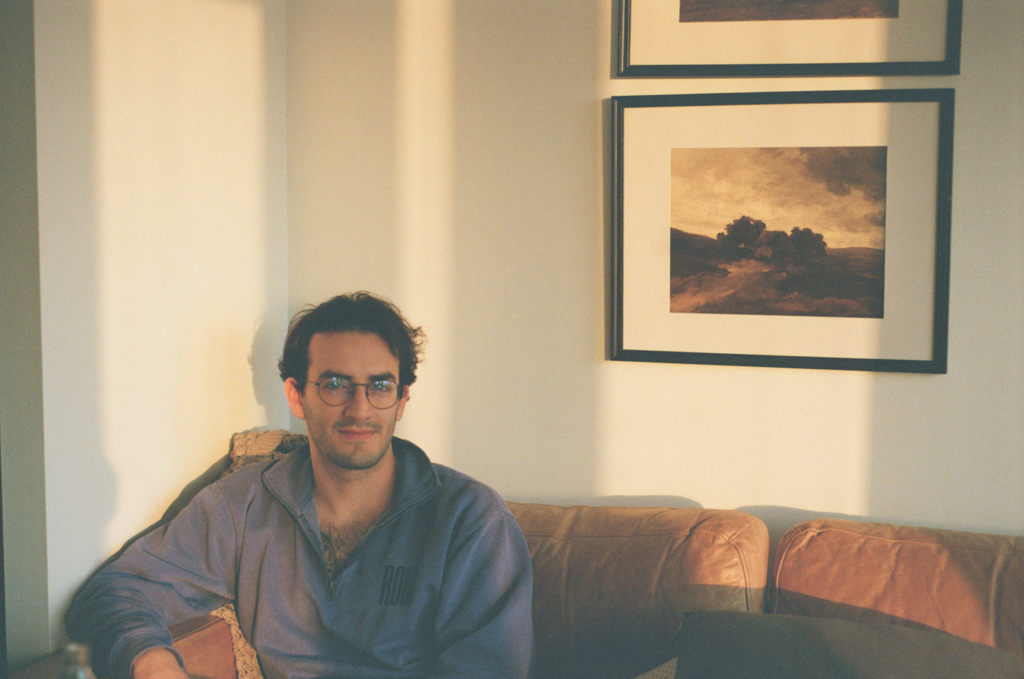
Winning Wildlife Photographer:
Yousef Afridi
Stop Guessing. Start Here.
Two ways to join. No risk either way.
4TH OF JULY SALE! 40% OFF ANY MEMBERSHIP
- 5 photo contest entries per month
- Live monthly trainings + full recording archive
- Live monthly critiques so you can see why images win
- Every back issue, video, and article unlocked instantly
- Private photographer community with real feedback
- Members-only discounts from top photography brands.
- 5 Free Anytime Photo Credits ($50 Value). These credits can be used on any future monthly wildlife photo contest you choose. They never expire, so you can save them for themes you really love throughout the year.
- 10 photo contest entries per month
- Lifetime access to every training, critique, and recording, past and future
- The full Journal library, every issue, every video, every article
- Lifetime access to the private community
- 15% off all future full-price purchases
- Members-only discounts from top photography brands.
- 10 Free Anytime Photo Credits ($100 Value). These credits can be used on any future monthly wildlife photo contest you choose. They never expire, so you can save them for themes you really love throughout the year.