
March 2026 Wildlife Photography Contest Advanced Category Winner
Theme: All Things Black
“Harsh Conditions” by Raphael De Moliner
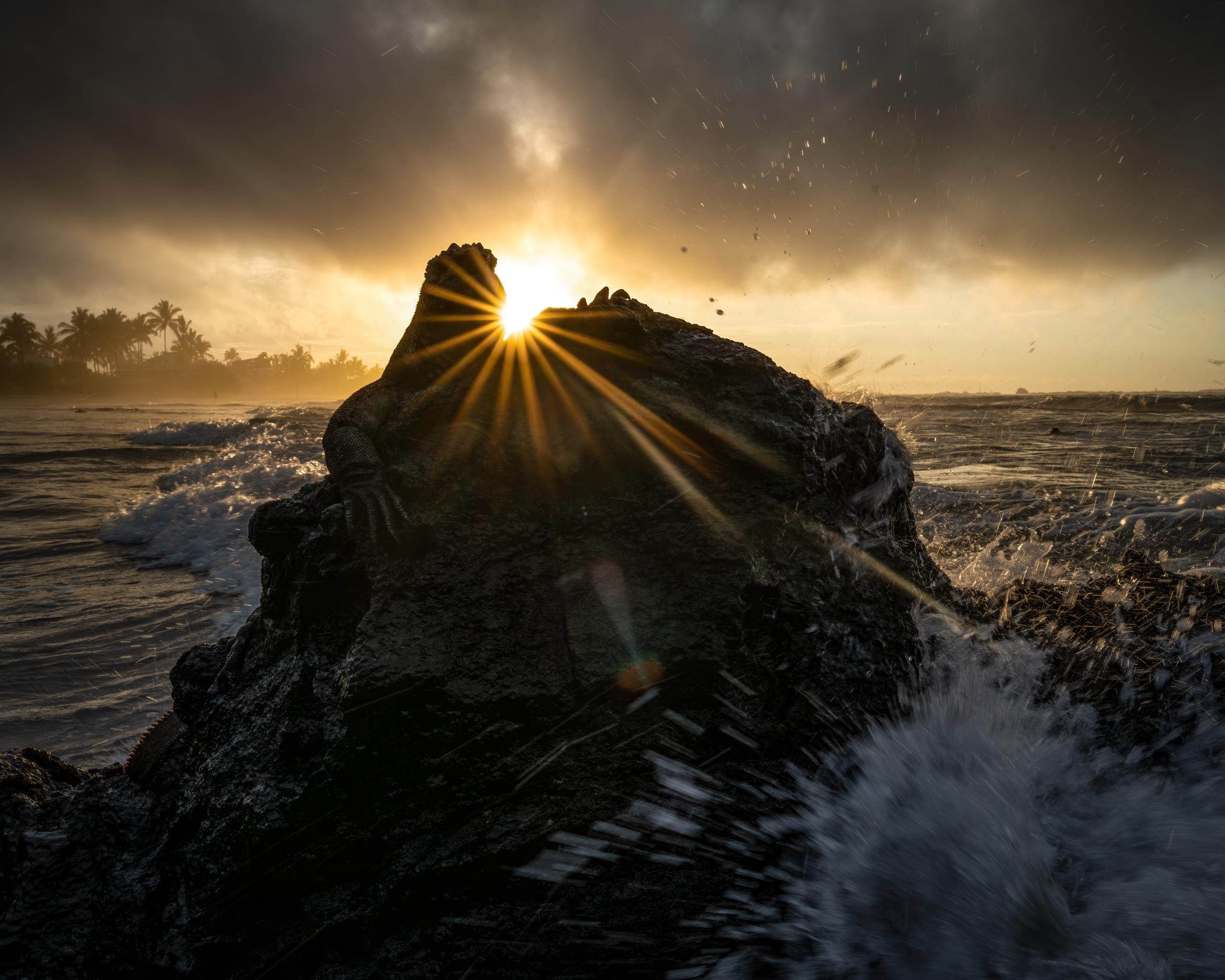
Marine iguanas have a remarkably tough feeding behaviour. They dive into the cold sea to graze on algae, gripping the rocks with their powerful claws. As ectotherms, they cannot produce their own body heat, placing them in constant danger of dying while feeding — cool down too much, and they become immobilised and eventually drown.
After feeding, they must warm themselves on the rocks. Having the opportunity to photograph them every day for more than a week in the Galápagos Islands, I set out to capture them within their true environment. That meant getting wet when large waves rolled in, and occasionally ending up with a soaked lens and camera body — though thankfully, I never lost a full setup to the ocean.
I chose a slower shutter speed to render some motion blur in the waves and emphasise the sheer power of the water. By placing the rising sun directly behind this large, dominant male — males grow considerably larger than females — I was able to capture the full range of harsh conditions these animals endure: scorching sun, surging waves, cold water, and the dark clouds of an approaching thunderstorm.
After spending a few hours trying to exist within the marine iguana’s world, I was simply glad to get the shot — and gladder still not to have to live there. My admiration for these animals grew considerably as I witnessed their daily struggle firsthand, and their majestic presence has left a lasting impression.
Captured with the Sony A7C II, Samyang 24mm f/1.8 — f/13, 1/160s, ISO 100
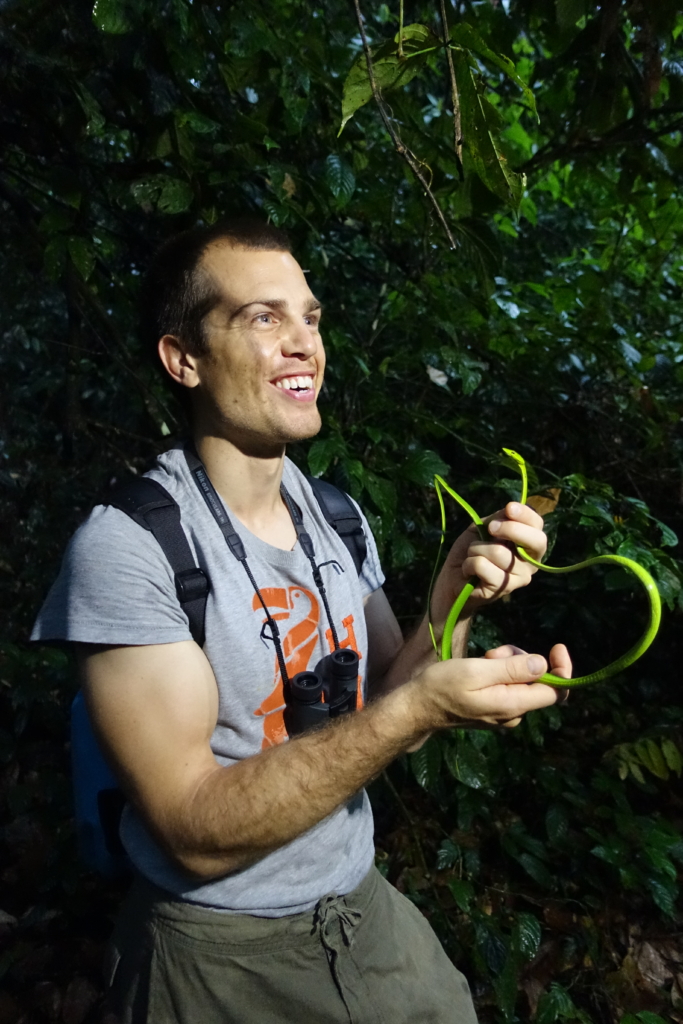
Winning Wildlife Photographer:
Raphael De Moliner
Stop Guessing. Start Here.
Two ways to join. No risk either way.
4TH OF JULY SALE! 40% OFF ANY MEMBERSHIP
- 5 photo contest entries per month
- Live monthly trainings + full recording archive
- Live monthly critiques so you can see why images win
- Every back issue, video, and article unlocked instantly
- Private photographer community with real feedback
- Members-only discounts from top photography brands.
- 5 Free Anytime Photo Credits ($50 Value). These credits can be used on any future monthly wildlife photo contest you choose. They never expire, so you can save them for themes you really love throughout the year.
- 10 photo contest entries per month
- Lifetime access to every training, critique, and recording, past and future
- The full Journal library, every issue, every video, every article
- Lifetime access to the private community
- 15% off all future full-price purchases
- Members-only discounts from top photography brands.
- 10 Free Anytime Photo Credits ($100 Value). These credits can be used on any future monthly wildlife photo contest you choose. They never expire, so you can save them for themes you really love throughout the year.