Win the lens you have been dreaming about since the day you picked up a camera.
First place walks away with one of the three flagship super-telephotos below — or any lens up to $16,000 that fits the system they already own. The theme is "Wildlife Portraits." One frame. One subject. One image that makes the viewer stop.
*Or when all 500 spots are taken, whichever comes first
Choose Your Entries Click Here to Read the Official RulesFive steps. No tricks. No fine print.
We cap the contest at 500 photographers, give you three months to submit, and judge every image the same way. Here is the process from start to finish.
Lock in your spot
Once 500 photographers have entered, registration closes. No extensions. No waitlist. Grab a single entry or the 5-pack to put more of your strongest work in front of the judges.
Upload your best wildlife portrait
Wild animals only — no captive subjects, no staged setups. We want a real portrait: an image where the animal's presence, expression, and individuality are the entire point of the frame.
Blind judging across the board
Professional wildlife photographers score every entry without seeing who submitted it. No names, no skill levels, no bias. The photograph speaks for itself.
Winners notified. Prizes shipped. Work published.
First place picks their lens — any manufacturer, up to $16,000. Second and third take home cash. All three are featured in the Journal of Wildlife Photography.
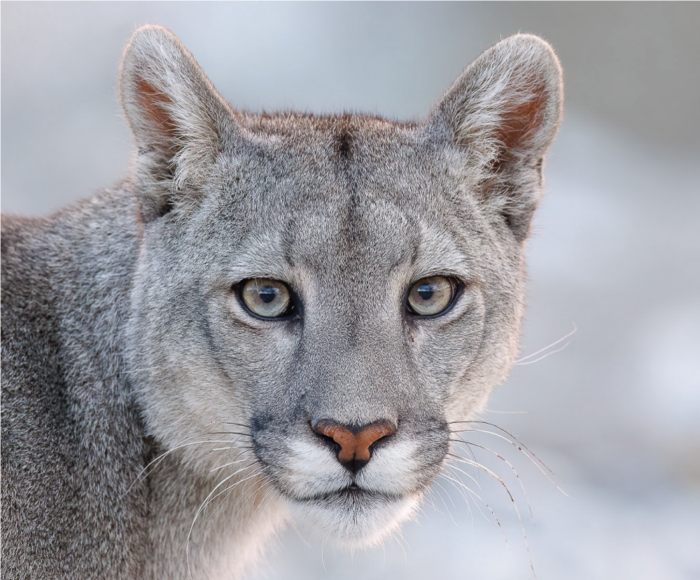
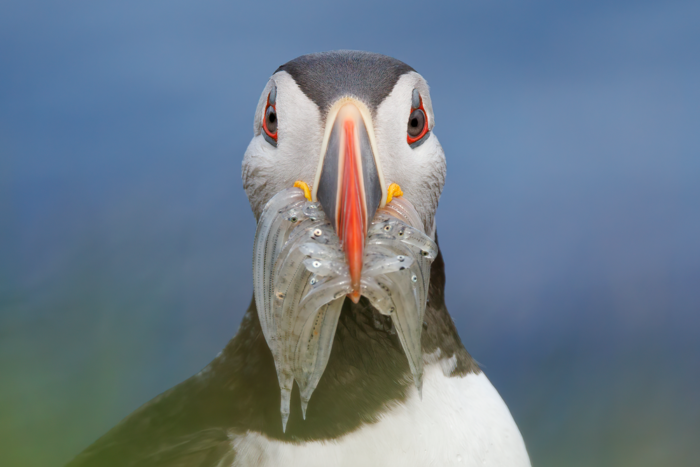
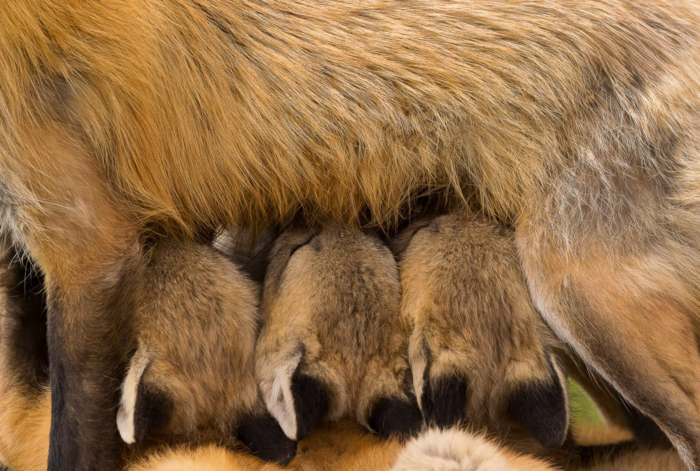
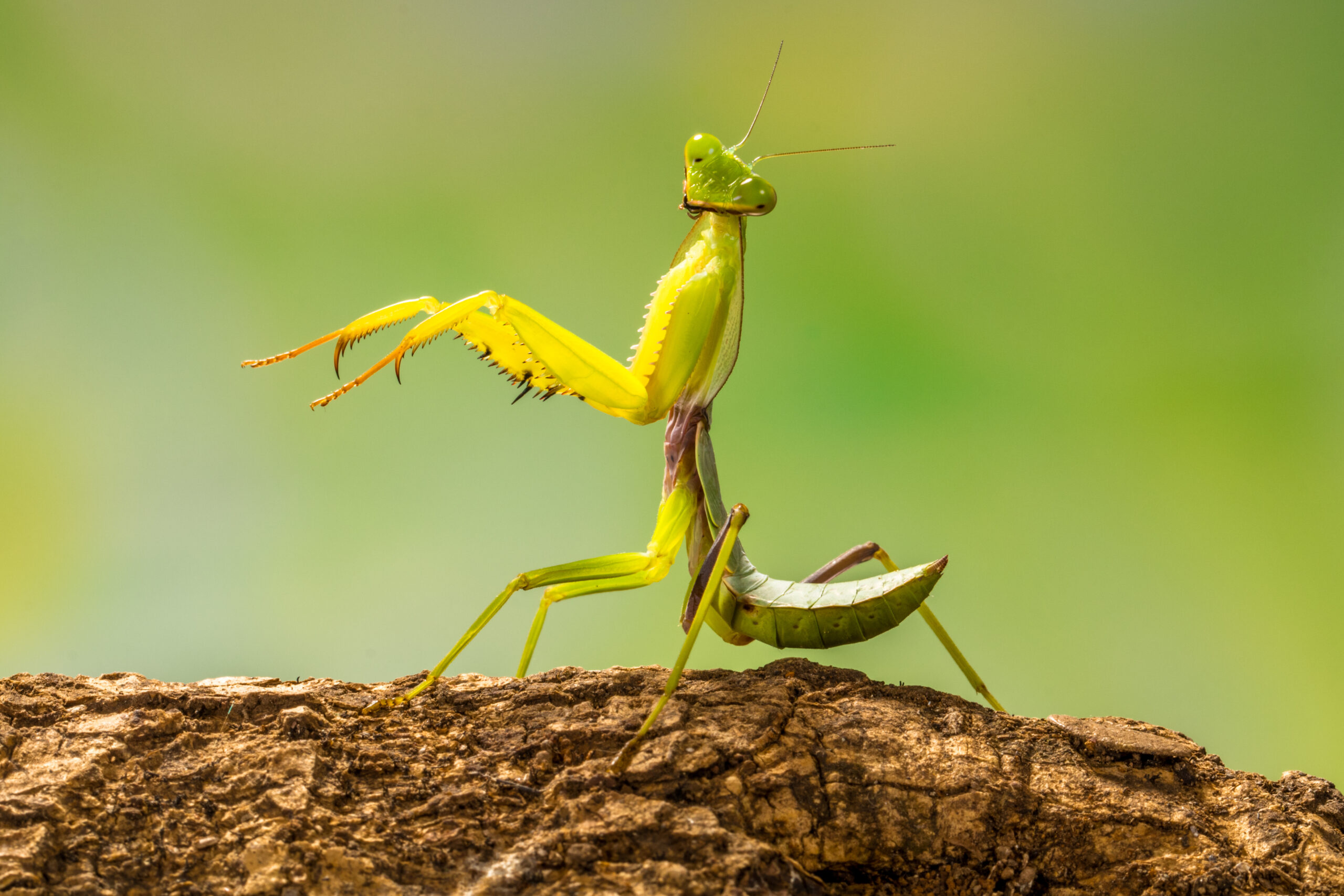
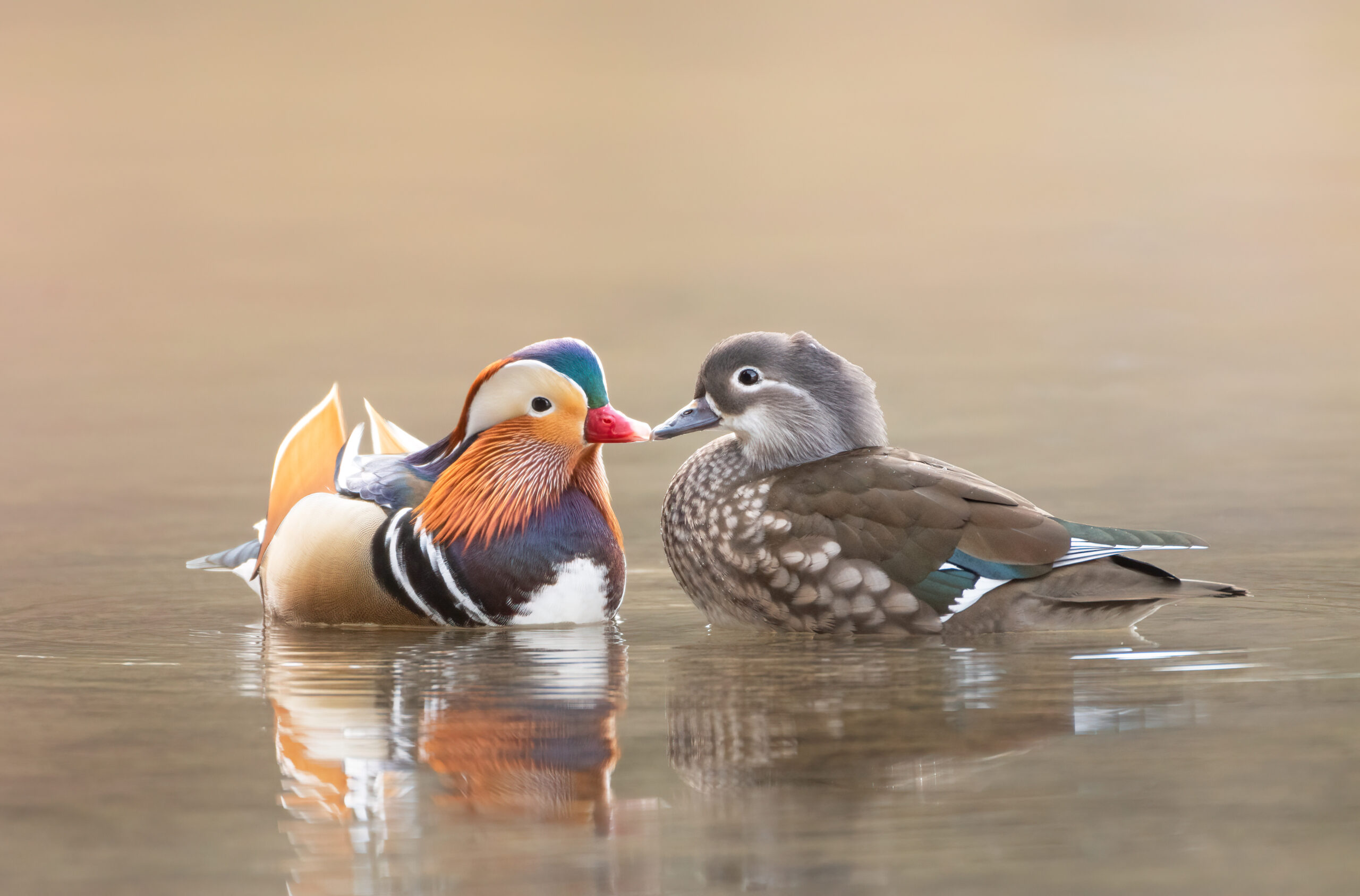
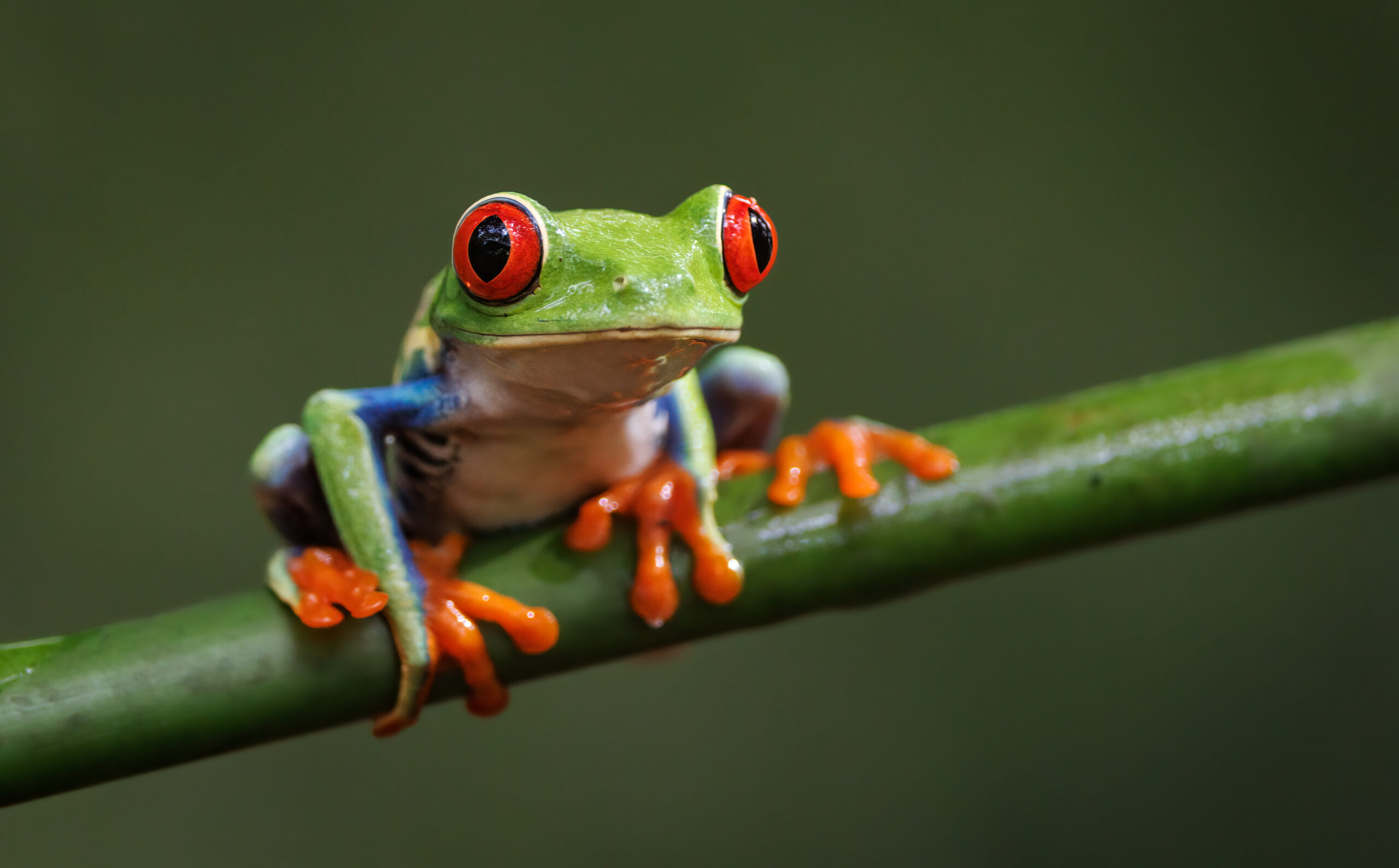
Portraits that stopped us mid-scroll
A winning portrait is not built with big glass. The images that stop judges mid-scroll do not require a $16,000 lens to create. What they share is simpler than that: a subject that holds your attention, an eye that draws you in, and a background that stays out of the way.
That is what separates a portrait from a snapshot. Not the gear — the eye behind it.
We never touch your image rights. Here is the proof.
Most contests bury a rights grab somewhere in the fine print. We built ours the opposite way. Here is exactly what happens to your image when you enter.
Full copyright stays with you
Your image is yours before you enter, yours while we judge it, and yours after the contest ends. The only permission you grant is for us to feature your work in connection with the contest — our site, social channels, and the magazine if you win. Nothing more.
Winners get a real audience
Winning portraits are published in the Journal of Wildlife Photography and shared with a community of over 70,000 photographers. Your image does not sit in a folder. It reaches the people who care about this work.
No algorithms. No popularity votes.
Every submission is scored by working wildlife photographers with published credentials. They never see the photographer's name, skill level, or anything else. Only the image matters.
"Wildlife Portraits" — The subject is not enough. The presence is the photograph.
Anyone with a long lens can get a clean shot of an animal. What separates a decent wildlife photo from a portrait that holds attention is what the viewer feels when they look at it. Eye contact. Expression. Character. The sense that you are not just looking at a species — you are looking at an individual.
This season's theme, "Wildlife Portraits," asks for the images most photographers rush past. The frame-filling close-up where the eye is tack-sharp. The wider portrait where the animal's posture and setting tell a story. The quiet moment where personality comes through.
The challenge is simple: do not settle for a photograph of an animal. Make a portrait.
Show us what a real portrait looks like
Portrait photography rewards patience, proximity, and the ability to see character in a wild subject. Here is what the judges will be paying attention to.
Eye contact and connection
The strongest portraits make the viewer feel seen. A sharp, well-lit eye with a catchlight draws you in. Whether the animal is looking directly at the camera or caught in a moment of focus, the connection should feel immediate.
Character and presence
A portrait is not a species identification photo. We are looking for images where personality comes through — posture, expression, intensity, calm, curiosity, or something harder to name. The animal should feel like an individual, not a specimen.
Light and detail
Detail in fur, feathers, scales, or skin. A catchlight that anchors the image. Controlled highlights. Strong portraits often depend on how light reveals texture and form — and the best ones make it look effortless.
Background and separation
A clean portrait lives or dies on what is behind the subject. Busy backgrounds, distracting elements, and competing colors pull attention away. We are looking for images where the background supports the subject instead of fighting it.
Emotional weight
The image stays with the viewer after they move on. That might come from vulnerability, power, stillness, or the quiet intensity of an animal holding your gaze. Either way, it leaves a mark.
Get low. Eye level changes everything in a portrait. Shooting down at an animal creates distance. Shooting at eye level creates intimacy. And pay attention to the eyes — if the catchlight is missing, the portrait falls flat no matter how sharp the rest of the image is.
Important Guidelines
Your image must be a portrait of a wild animal — an image where the subject's presence, expression, or character is the clear focus
No staged, baited, or captive animals will be accepted
Ethical field practices are required
Keep post-processing minimal and natural
Your work reviewed by photographers who have been where you want to go
We do not outsource judging. We do not automate it. Every entry is reviewed by published wildlife photographers who understand the craft. Identifying information is stripped before they see your image, so the only thing being evaluated is the photograph itself.
No popularity contests. No algorithms. Just working photographers evaluating your work on its merit.
The winner does not get a gift card. They get to choose.
First place selects any lens up to $16,000 from any manufacturer — whatever fits their system and the kind of work they want to do next. No restrictions on brand, no restrictions on focal length. Second and third place take home cash.
Choose Your Lens
Any qualifying lens from any manufacturer. Winner's choice.
Cash Prize
Paid via PayPal within 30 days of contest close.
Cash Prize
Paid via PayPal within 30 days of contest close.
Three lenses most wildlife photographers would reach for first.
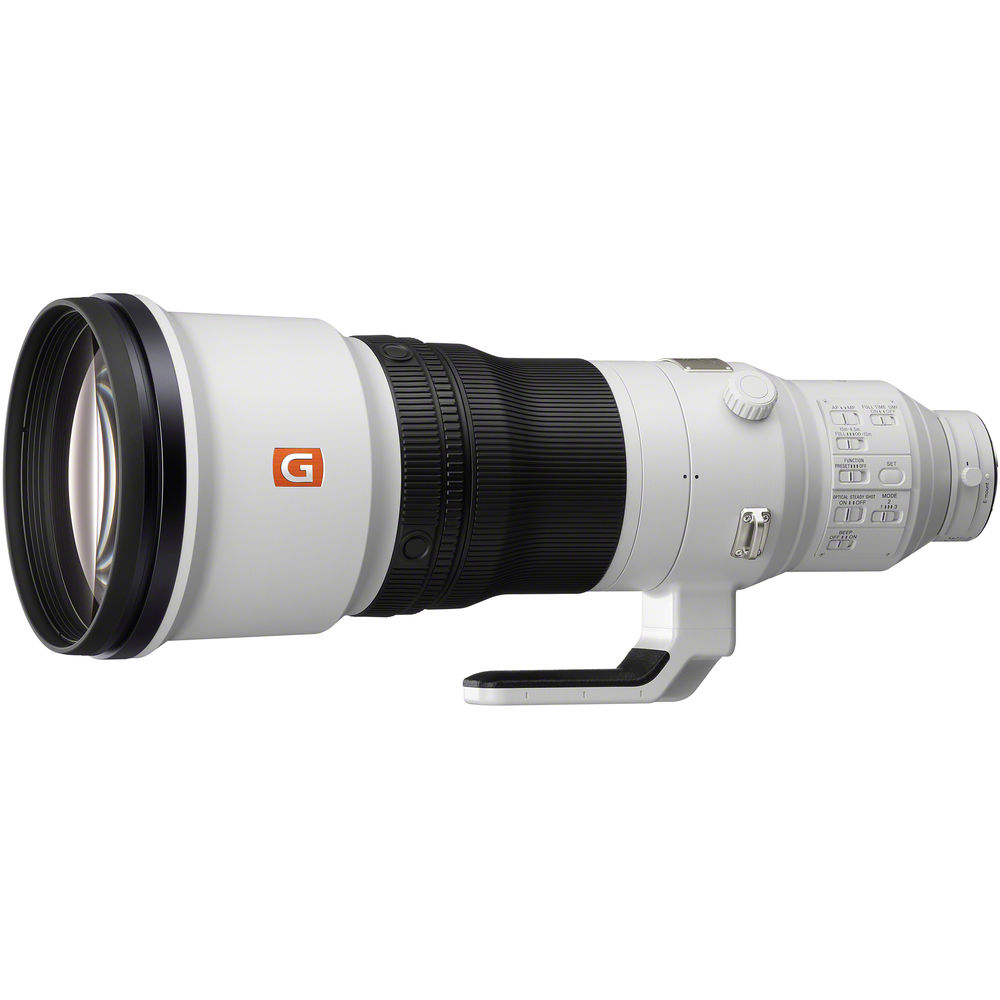
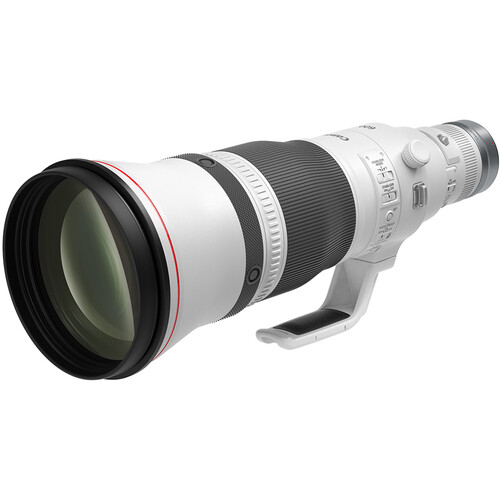
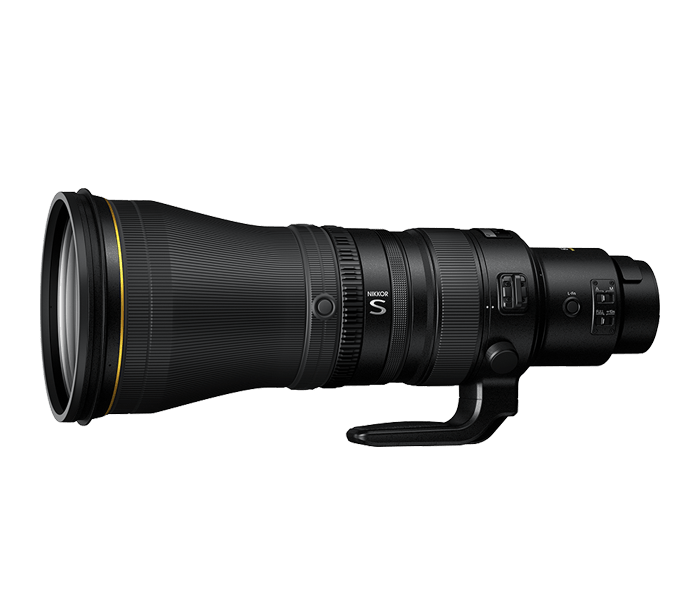
In wildlife photography, a few names come up again and again for a reason. The three super-telephotos below sit at the top of their manufacturers' lineups: tack-sharp wide open, fast to focus, and dependable when the light drops or the action speeds up. We are featuring them because they are the kind of gear serious wildlife photographers reach for when nothing else will do. But you are not limited to these three. If another focal length, mount, or setup fits your work better, the winner is free to choose that instead.
FE 600mm f/4 GM OSS
Sony's top super-telephoto for wildlife. Fast autofocus, lightweight magnesium construction, and the kind of optical performance that has earned it a place in working kits around the world.
RF 600mm f/4 L IS USM
Canon's top wildlife option. Known for beautiful rendering, dependable stabilization, and performance that holds up when conditions stop being easy.
NIKKOR Z 600mm f/4 TC VR S
Nikon's flagship 600 with a built-in 1.4x teleconverter, giving you instant 600mm to 840mm flexibility without swapping anything out. That matters when you need to fill the frame without getting closer.
Note: Camera body not included. The grand prize covers any qualifying lens up to $16,000 in retail value, from any manufacturer. These three are featured because they are obvious dream picks for many wildlife photographers, but the winner has full freedom to choose what fits their system and the way they work.
What changes when the glass is no longer the thing holding you back.
This is not about becoming a better photographer overnight. It is about removing the physical limitations that sit between you and the images you already see in your head. Distance. Light. Speed. Reach. Here is what a lens like this actually unlocks.
Distance stops being the problem
Top super-telephotos let you stay farther back and still fill the frame. Wary predators. Nesting birds. Shy mammals that will not tolerate a closer approach. These become accessible without disturbing them.
Dawn and dusk stop shutting you down
The best wildlife light happens at dawn and dusk. Fast glass keeps the door open in conditions where slower lenses force you to choose between motion blur and unusable ISO.
Speed stops costing you the shot
A takeoff. A strike. A predator running flat out. These lenses pair with the fastest AF systems each manufacturer makes. Subjects you used to lose stay locked.
Messy backgrounds disappear
At longer focal lengths and wider apertures, busy environments drop away. The same scene that was unworkable with consumer glass turns into a clean separation between subject and background.
You stop losing detail when you crop
When a subject is small in the frame or you need to recompose hard, the resolving power of higher-end optics gives you room to do it. Detail in the eye, the fur, and the texture stays intact.
Two photographers already walked away with the lens.
We have done this before. Twice. Both times a real photographer entered, a real image won, and a real lens showed up at their door. Here is who they are.
Larry submitted one image. The judges scored it highest. Nikon shipped him the lens. No gimmicks. Watch him tell the story himself.
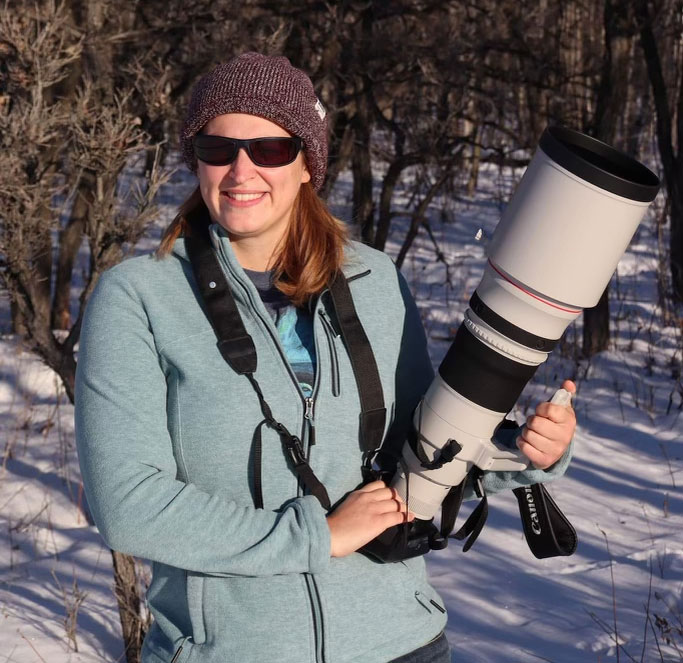
Krista was our very first grand prize winner. She entered, her image earned it, and Canon's flagship 500mm f/4 was delivered to her door. That was 2020. We are still doing this the same way.
Pending
Our Spring 2026 contest just wrapped up. The winner has been selected and their lens choice is being finalized. Full announcement and winner story coming soon.
Limited to 500 photographers worldwide
We close registration the moment 500 photographers have entered. No late entries. No exceptions. Pick one image or five — either way, every entry you submit has a shot at the grand prize.
Note for Journal members: This contest is separate from your membership and is not included in your monthly entries. To participate, you will need to purchase entry credits above.
Before you enter, read this
A single entry ($97) lets you submit one photograph. The 5-entry pack ($297) lets you submit five. Every entry is eligible for first place (the lens up to $16,000), second place ($1,000 cash), and third place ($500 cash). No membership required, no recurring charges, no upsells.
Yes. The three featured super-telephotos on this page are obvious dream choices for many wildlife photographers, but the grand prize is not limited to them. The winner may choose any lens up to $16,000 in retail value from any manufacturer that fits the camera body they already shoot. That could mean a different prime, a zoom, or a more specialized option. Camera body not included.
You retain full copyright and ownership of your image at all times. We use it only to promote the contest and publish winners. We do not sell, license, or distribute your photos to anyone. We do not use your images for AI training or any purpose beyond the contest itself.
All judging is blind. Judges never see the photographer's name, skill level, or any other identifying information. They evaluate each image purely on its photographic merit. Our judges are published, working wildlife photographers with real credentials you can verify.
This is a high-stakes contest with a $16,000 grand prize. We cap entries to keep the contest fair and to make sure every submission gets the attention it deserves from the judges. Once 500 entries are reserved, the contest closes. There is no waitlist and no exceptions.
Any image of a wild animal where the subject's presence, expression, or character is the clear focus. This can be a tight close-up or a wider environmental portrait, but the animal should feel like an individual, not just a species. The portrait is the point.
Yes. Your photo does not have to be new. However, images that have won previous international or national contests are not eligible.
October 31, 2026 at 11:59 PM Pacific Time. The contest opens August 1, 2026. However, if all 500 entry spots are reserved before October 31, the contest closes early.
No. This contest is separate from your monthly Journal membership and is not included in your monthly contest entries. To participate, you will need to purchase entry credits above.
Three months. One portrait. A lens that changes everything.
The Fall "Wildlife Portraits" contest is open. 500 spots. One winner picks any lens up to $16,000 from any manufacturer. Your strongest portrait could be the one that takes it.
Recent contest winners and where their work was published
Every month we run a separate photo contest with cash prizes and publication in the Journal of Wildlife Photography. These are recent winners. Real photographers, real images, real prizes — seen by a community of over 70,000 wildlife photographers.
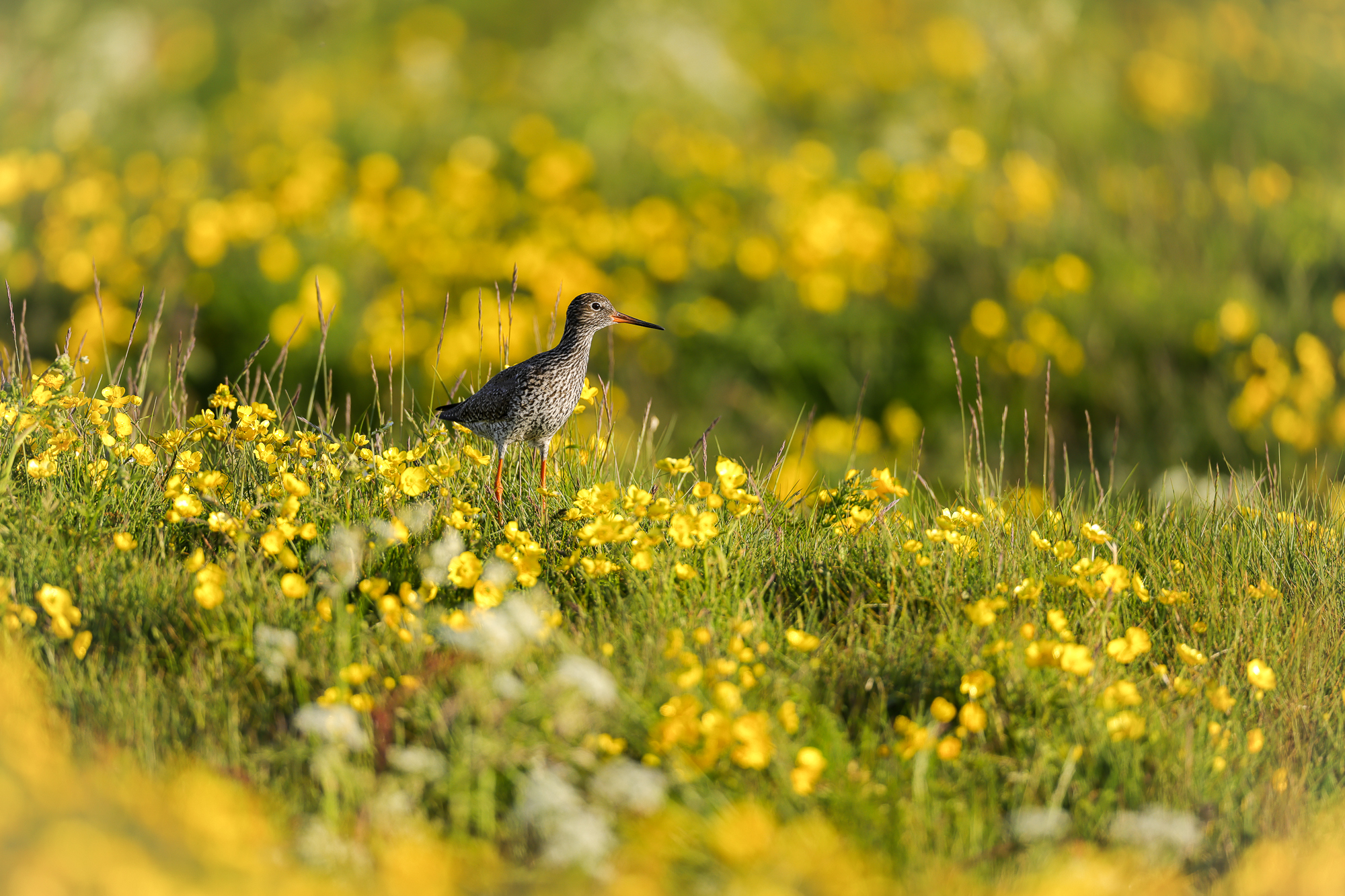
"A Walk Among Gold" by Geoffray-Henri Desrousseaux
May 2026 Beginner Category Winner
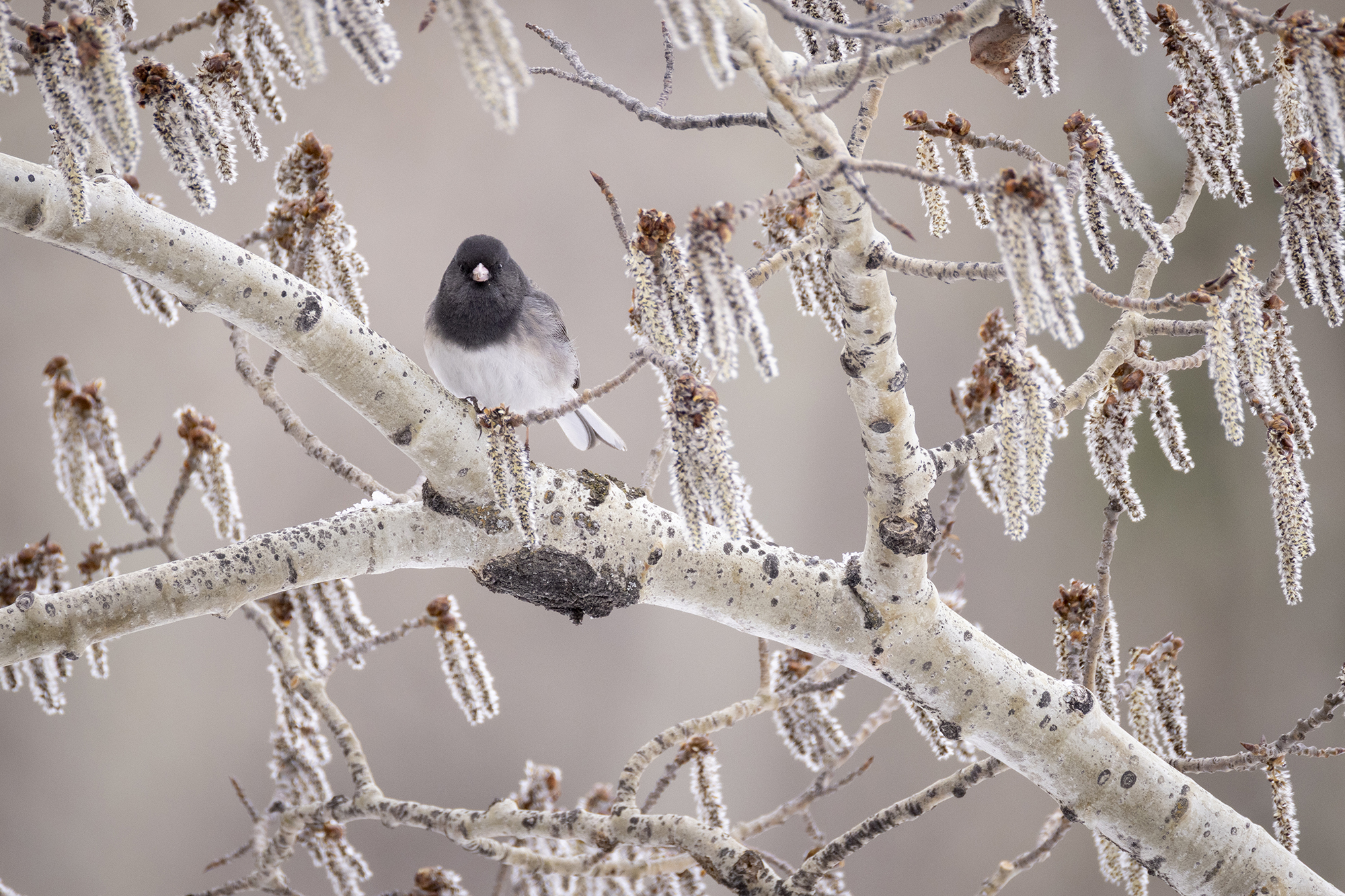
"Dark Eyed Junko" by Michael Buckley
May 2026 Intermediate Category Winner
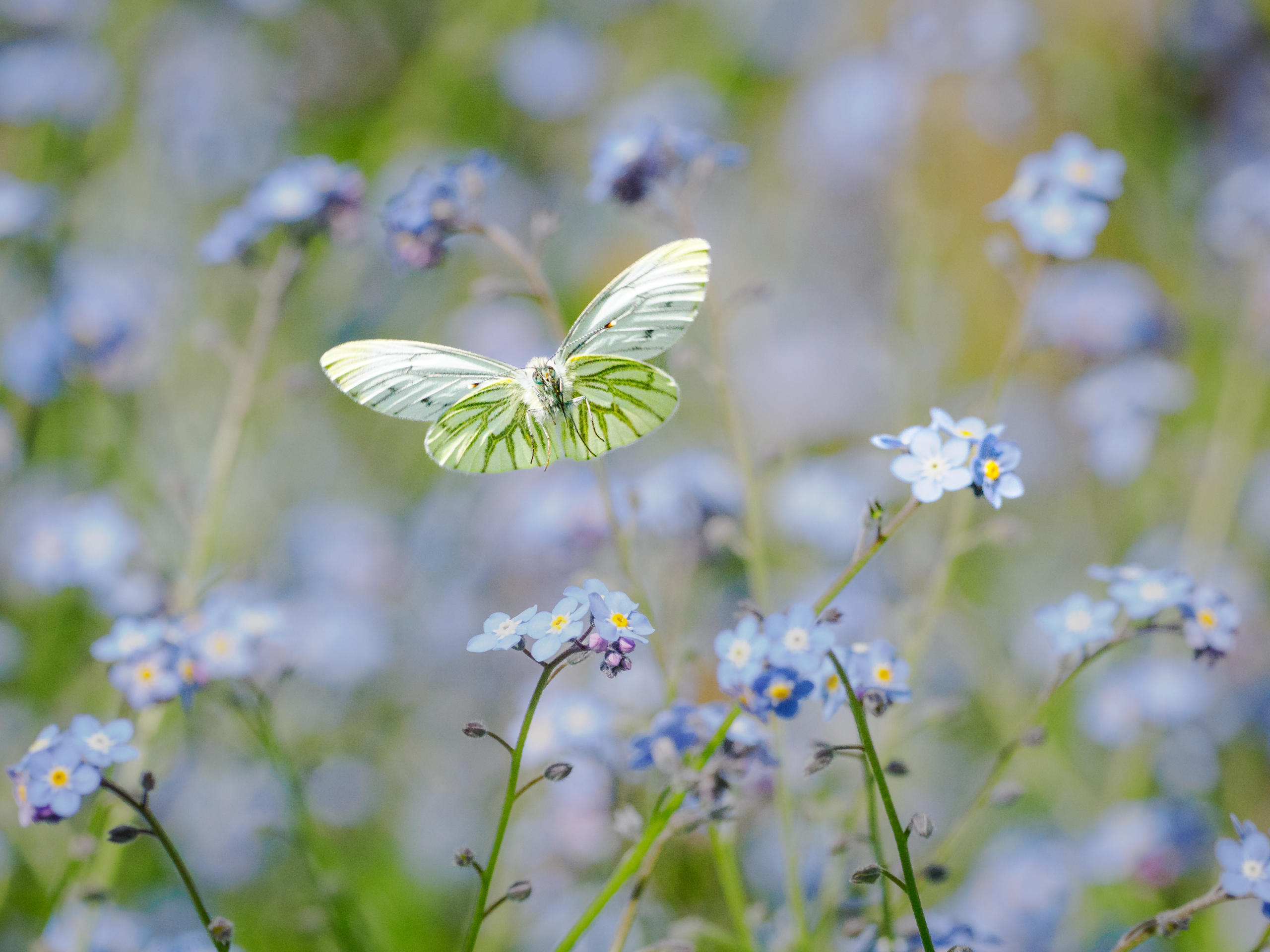
"Nothing Says Spring Like Forget-Me-Nots" by Sue Earnshaw
May 2026 Advanced Category Winner
Don't take our word for it.
We could tell you the contest is fair, the prizes are real, and the experience is worth it. You would probably rather hear it from photographers who have actually been through it.
Three months. One portrait. A lens that changes everything.
The Fall "Wildlife Portraits" contest is open. 500 spots. One winner picks any lens up to $16,000 from any manufacturer. Your strongest portrait could be the one that takes it.